What is the best month to visit Santa Barbara wine country?
September through November is the sweet spot for weather, harvest and light. Here is the honest month-by-month case, including the quiet, cheap season most guides skip.
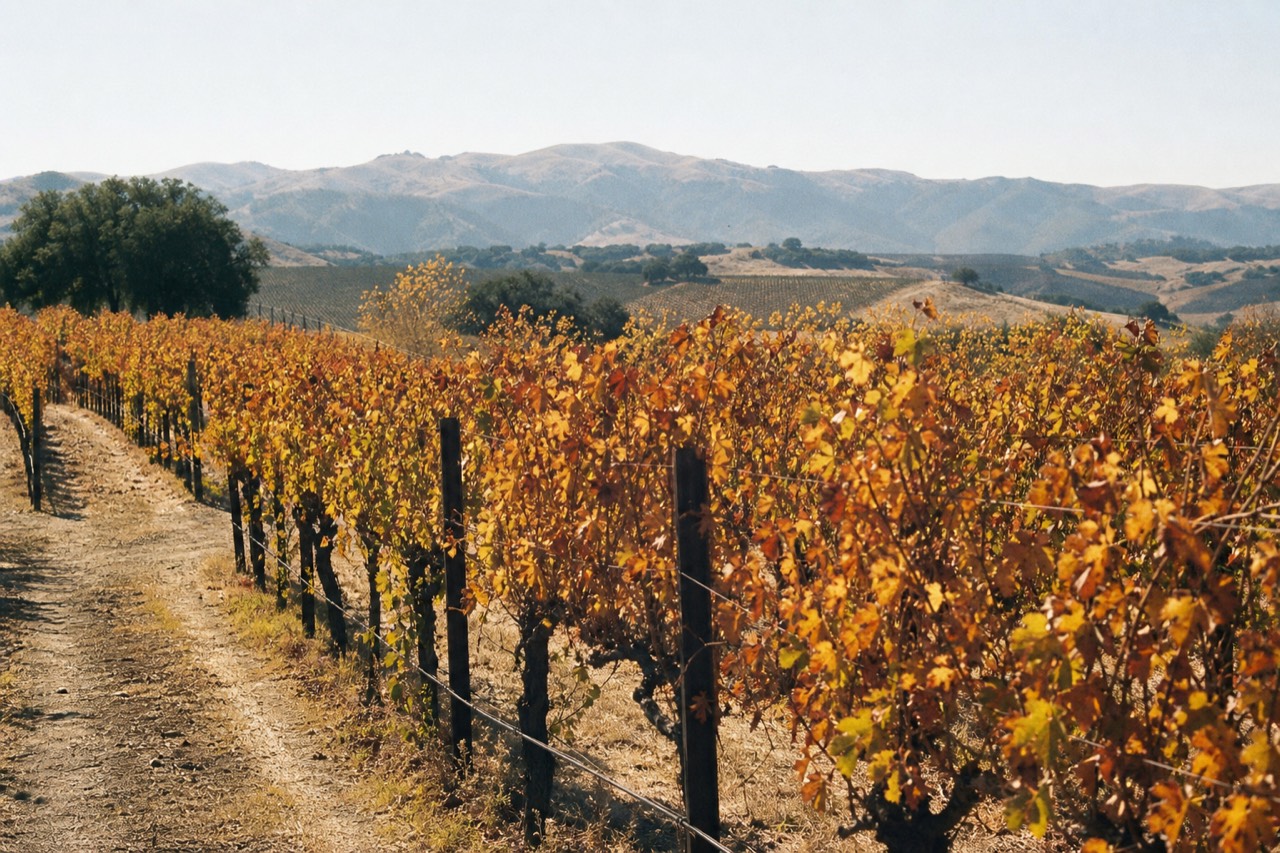
There is a right answer to this question and it surprises people who assume summer. The tasting rooms are at their best from September into November, when the days sit warm at 70 to 80 degrees, the evenings turn cool, harvest is coming in, and the coastal fog that grays out early summer mornings has finally lifted. That fall window is the one locals quietly guard, because it lines up good weather, real energy in the rooms, and the kind of golden light that makes the inland hills look the way the postcards promise.
That said, the honest answer has more than one part, because the best month depends on what you actually want. If you want the fewest people and the lowest prices, fall is not your season at all, winter is. If you want long days with everything open, summer delivers, crowds and all. This post walks the whole calendar: the classic fall sweet spot, the quiet cheap months guides skip, the truth about the famous coastal fog, and how the events and harvest shift the picture through the year.
What is the best month to visit Santa Barbara wine country?
September through November is the best window. Expect warm 70 to 80 degree days, cool evenings, fall color on the vines and harvest energy in the tasting rooms, with the early-summer coastal fog gone. October in particular lands squarely in harvest, which is when the rooms feel most alive. Tours and tastings run year-round, so the choice is about atmosphere and price, not availability.
The case for fall is that everything good peaks at once. The weather settles into its most reliable stretch of the year, warm without the summer heat and clear without the summer crowds. The vines turn color. And the wineries are working, with fruit coming in and winemakers around, which gives the rooms a buzz you simply do not get in a quiet month. If you can travel on your own schedule, aim here first.
The one caveat is that fall weekends can get busy around harvest events, so a weekday visit in this window is close to ideal: good weather, real energy, and fewer people. The table below sets the fall months against the rest of the year so you can see why they win, and where the alternatives make sense. It aligns with how Visit Santa Barbara frames the region's seasons.
| Season | Weather | Crowds | Why go then |
|---|---|---|---|
| September to November | Warm days, cool nights, fall color | Busy on event weekends | The classic window: harvest buzz, best light |
| June to August | Warm inland, coastal morning fog | Peak | Long days, everything open, book ahead |
| December to February | Cool, green, occasional rain | Quietest | Lowest prices, unhurried tasting rooms |
| March to May | Mild, green hills, wildflowers | Building | Shoulder-season value before summer |
So fall is the headline answer, but the rest of the year has its own arguments, and the right month really does bend to what you want out of the trip.
What is each season like for a wine trip?
Each season trades something. Fall offers the best all-round weather and harvest energy but busier event weekends. Summer brings long days and full opening hours with peak crowds and prices. Winter is quiet, green and cheap with a chance of rain. Spring greens the hills and offers shoulder value, with coastal fog possible on early mornings.
The region is a year-round destination, which is the key fact underneath this whole question. Nothing closes for a season. That means the calendar is about the kind of day you want rather than whether wine country is open, and each season hands you a different version of the same place. Knowing what each one trades lets you match the month to your priorities instead of just defaulting to summer.
Fall and spring are the shoulders, and both reward travelers who care more about atmosphere than about long daylight. Summer is for people who want the fullest hours and the most open everything, and who do not mind sharing the rooms. Winter is the contrarian pick, quiet and green and easy on the wallet, best for anyone who likes a tasting room they can have a conversation in. The table below sorts the seasons by what kind of traveler each suits.
| If you want | Best season | The trade-off |
|---|---|---|
| The best all-round weather | September to November | Busier event weekends |
| Long days, everything open | June to August | Peak crowds and prices |
| The lowest prices and empty rooms | December to February | Cooler, chance of rain |
| Green hills and shoulder value | March to May | Possible morning coastal fog |
| Harvest energy in the rooms | Late August to October | Fruit-driven, weekends fill |
Whatever season you land on, the practical side of the day stays similar, and reservations have become the norm at estate wineries year-round. Our blog on whether you need to reserve ahead covers that, and the full guide to how a tasting day works sits in what a tasting day is actually like. The top-rated picnic day below is the one most people pair with the fall window, though it runs all year, and you can check the dates and what it covers on the operator's live listing.
Whichever month you settle on, the picnic day gives you a fixed, well-reviewed anchor to build the rest of the trip around, and it runs across the whole calendar. Here is where to check its dates against yours.
When is harvest, and should you time your visit around it?
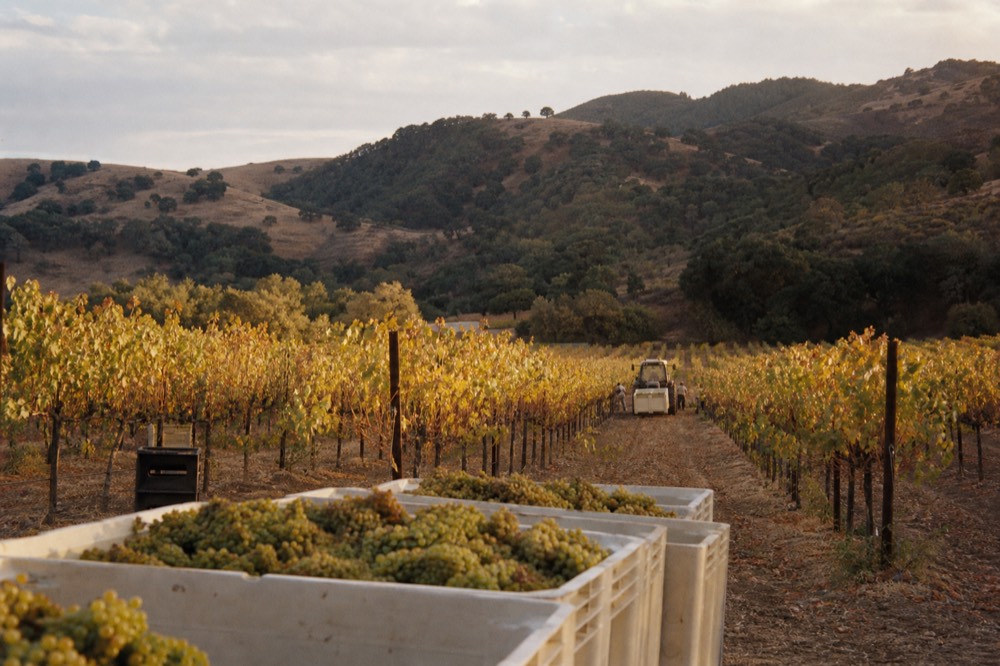
Harvest, or crush, runs from late August into October, and it is the single best thing to time a visit around. The rooms fill with the smell of fermenting fruit, winemakers are on hand, and the whole valley feels like it is working. Exact timing shifts each year with the weather, and the cool western appellations often pick latest, stretching harvest into late October.
If you want to see wine country doing the thing it exists to do, come during harvest. From late August the fruit starts coming in, and for the next couple of months the wineries are at their busiest and most alive. You will see bins of grapes, catch the yeasty smell of fermentation, and stand a much better chance of talking to the people actually making the wine. It is the most rewarding time to visit for anyone curious about how the bottle happens.
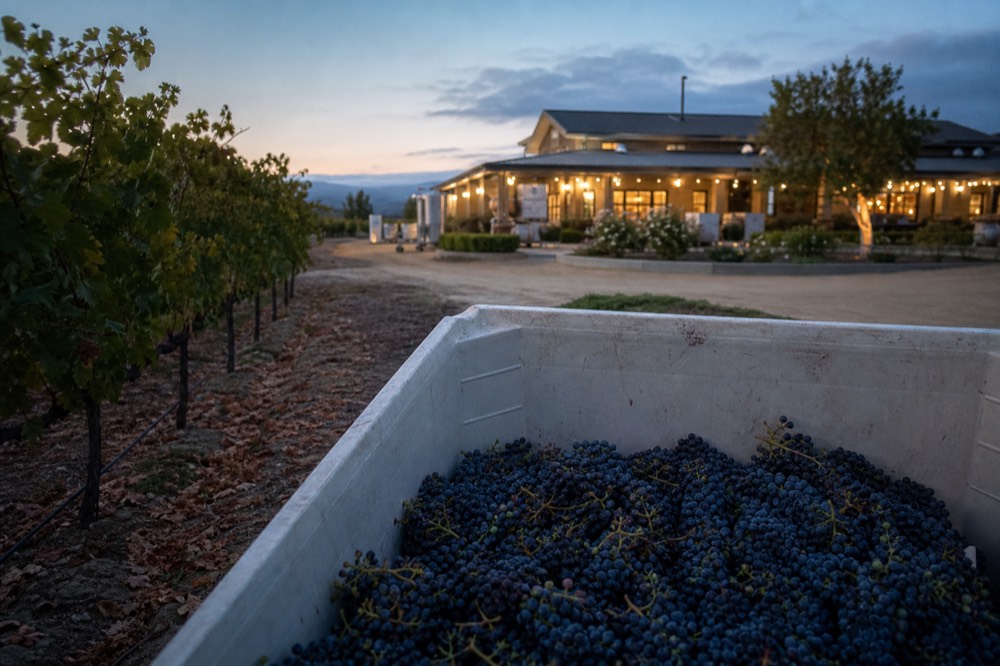
The timing is not fixed, though, and that is worth planning around. Harvest tracks the weather, so a hot year ripens earlier and a cool one runs later. Recent seasons show the spread: a cool year can push picking from late August well into late October, while an unusually warm one can bring the earliest sparkling fruit in as soon as late June. The cool western appellations, where the fog slows ripening, tend to finish last of all. The table below sketches the rough harvest arc, based on how the season is described by Santa Barbara Vintners.
| Timing | What is happening | Where |
|---|---|---|
| Late August to early September | First whites and sparkling fruit picked | Across the county, warm sites first |
| September | Harvest ramps up, rooms get busy | Valley-wide |
| October | Reds come in, peak harvest energy | Warmer inland appellations |
| Late October | Last cool-climate fruit picked | The fog-cooled western end |
Timing a visit to harvest also means timing it to the busier weekends, so a weekday in September or early October is the sweet spot inside the sweet spot. For more on what makes the region's wines worth the trip in the first place, our post on what this valley is known for gets into the grapes, and our Santa Barbara wine country map shows why the western appellations pick last.
Which months are quietest and cheapest?
December through February is the quiet, cheap season. The crowds thin out after the fall events, hotel rates drop, and the tasting rooms slow to a pace where you can linger and actually talk to the pourer. The trade-offs are cooler weather, a chance of rain and shorter days. For anyone who values elbow room over harvest buzz, winter is the smart, underrated pick.
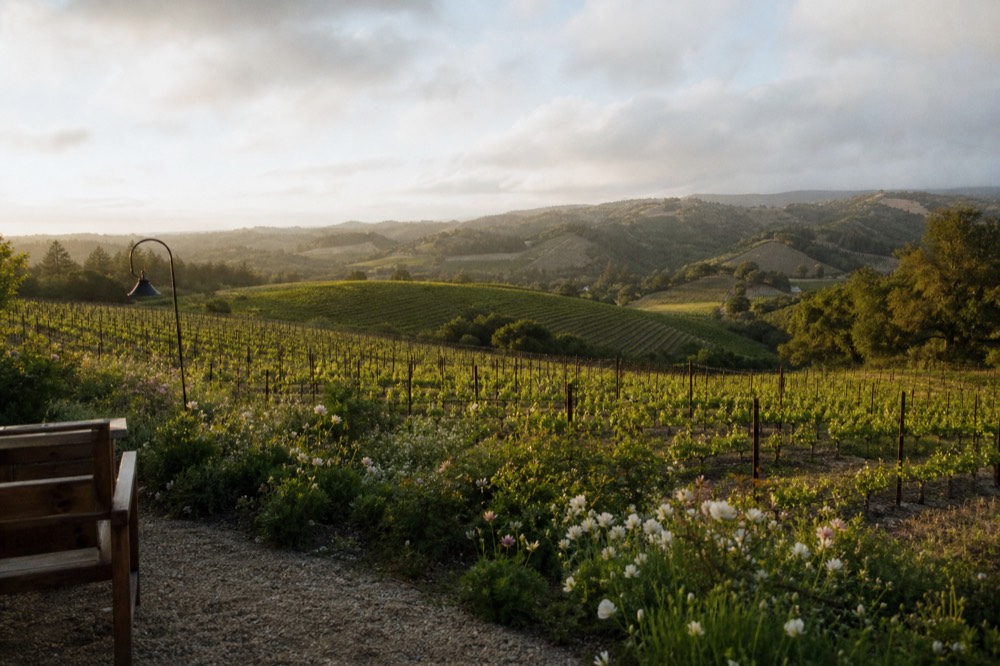
The season most guides skip is the one budget-minded and crowd-averse travelers should look at hardest. After the fall event weekends wind down, the valley empties out. Hotel prices soften, tasting rooms that were packed in October have space to breathe, and you get the kind of unhurried visit where a pourer has time to talk. The hills are green from the winter rains, which is a different beauty from the golden fall but a real one.
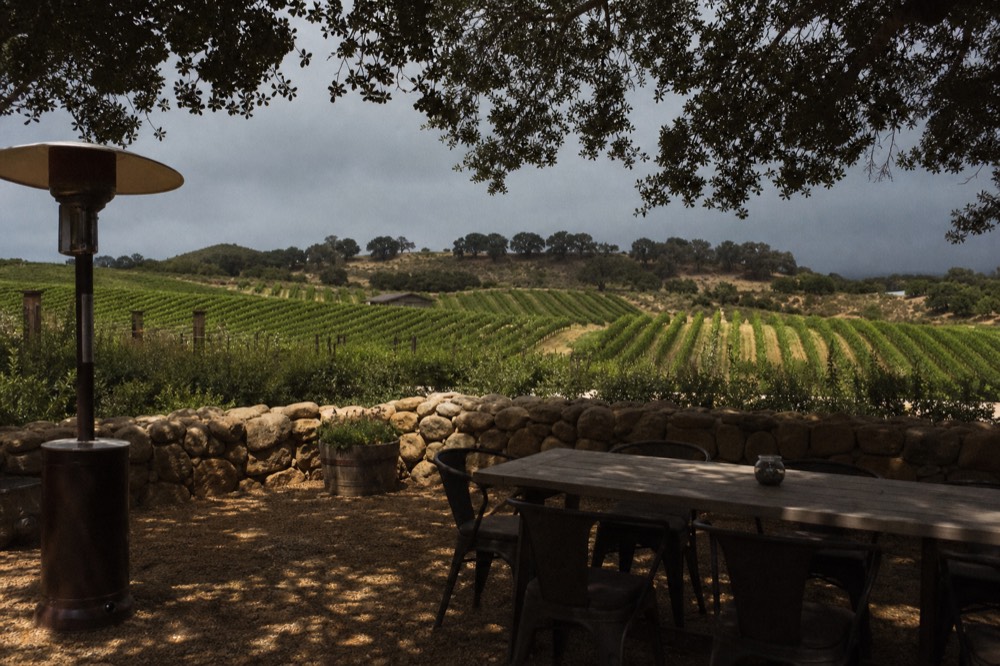
The honest trade-offs are weather and daylight. Winter days are cooler, though this is coastal California, so cool means mild rather than freezing. Rain is possible but rarely constant, and the days are shorter, so you have less time to pack in stops. None of that closes anything down, and the value on offer often outweighs it. Spring, March through May, is the other shoulder, greening the hills and offering similar value before the summer crowds arrive, with a chance of coastal fog on early mornings. The table below weighs the quiet months.
| Month range | Crowds | Prices | Watch for |
|---|---|---|---|
| December to February | Lowest of the year | Softest hotel rates | Cooler days, some rain, short daylight |
| March to May | Building through spring | Good shoulder value | Green hills, possible morning fog |
If price is the thing steering your trip, the quiet months stretch the budget furthest, and pairing them with a value-focused tour keeps the whole day affordable. Our breakdown of how far the wineries sit from the city helps you plan the drive whatever the season.
What is the weather really like, and what are May Gray and June Gloom?
Santa Barbara has a mild Mediterranean climate, but early summer brings a coastal quirk locals call May Gray and June Gloom: a marine layer that grays out the coast on May and June mornings before burning off. The inland Santa Ynez Valley, where the vineyards are, usually sits warmer and drier than the shore, so the fog matters less to a wine day than to a beach one.
The coastal fog surprises visitors who booked for California sunshine, so it is worth knowing before you pick a month. In late spring and early summer, a marine layer often settles over the coast overnight and lingers through the morning, leaving the beachfront gray until it clears around midday. It is atmospheric if you like it and a letdown if you expected blue sky at breakfast. The key point for wine travelers is where it lands.
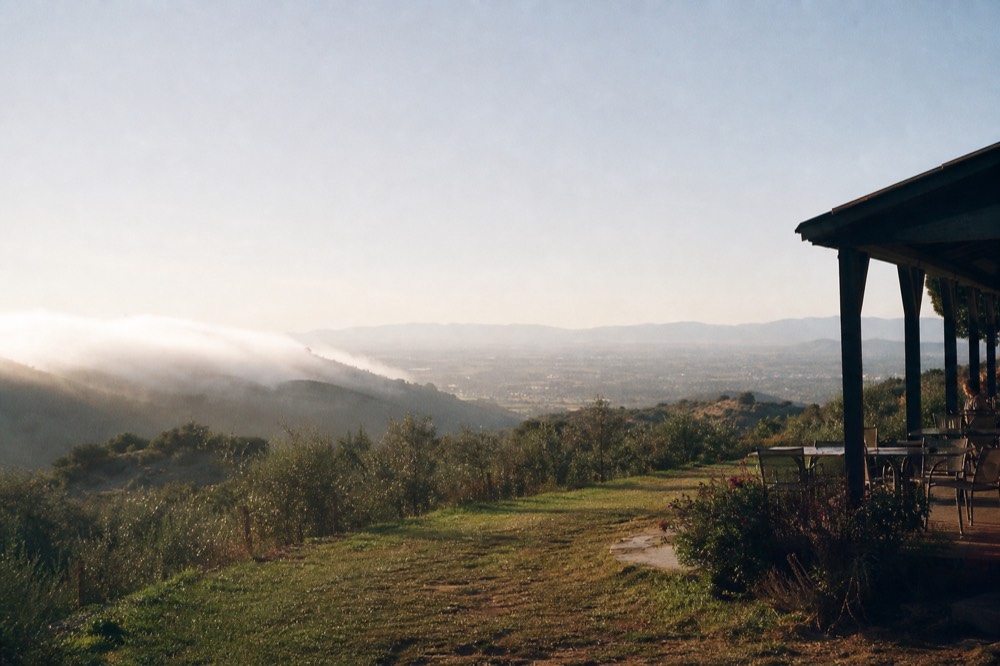
Because the vineyards sit inland over the mountains, the valley usually burns off warmer and drier than the coast on those foggy mornings, one more consequence of the region's unusual east-to-west geography. So a June day that feels gray at the beach can be sunny and warm forty minutes inland where you will be tasting. That gap is genuinely useful to plan around: if you visit in the May-and-June fog window, aim your wine day at the valley and save the coast for the afternoon once it clears. The table below sums up the weather by season.
| Season | Coast | Inland valley |
|---|---|---|
| Late spring and early summer | Gray mornings, clearing midday | Warmer, drier, often sunny |
| Mid to late summer | Mostly clear, warm | Hot afternoons |
| Fall | Clear, mild, settled | Warm days, cool nights |
| Winter | Cool, some rain | Green, cool, quiet |
The upshot is that the fog rarely spoils a valley wine day even in its peak weeks, which is one more reason the inland trip holds up across the calendar. For the geography behind that coast-versus-inland split, our guide to how the region's fog funnel works lays it out, and the all-inclusive valley day below is a reliable pick in any month: the van moves between stops and the tastings sit indoors.
What events shape the wine calendar, and does that change the best month?
The calendar has anchor events that can shape your timing. The valley holds a large vintners' festival in the fall, a beachside wine festival in summer, and harvest celebrations each autumn. These weekends bring energy and crowds together, so they are worth either targeting or avoiding on purpose. Dates shift year to year, so check the organizers before you build a trip around one.
Events are the wildcard in the best-month question, because a great event weekend and a quiet relaxed visit are opposite goals. If you want the buzz, a festival weekend concentrates dozens of wineries and a party atmosphere into one place. If you want calm, those same weekends are the ones to steer around, since they fill hotels and rooms. Either way, knowing the rough rhythm helps you plan on purpose rather than by accident.
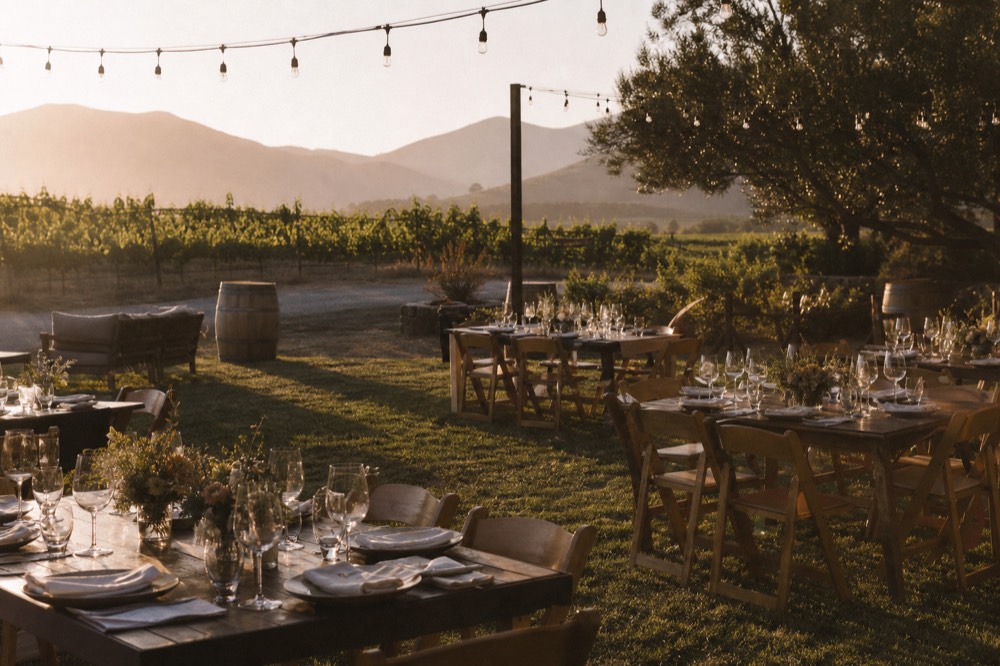
The valley's headline gatherings fall into a loose seasonal pattern rather than fixed dates. A major vintners' festival runs in the fall, a beachside wine festival lands in summer, and harvest celebrations cluster through the autumn. Dates move from year to year, and some events have shifted seasons in recent years, so the one firm rule is to confirm timing with the organizers before you commit. This is how we approach planning at Santa Barbara Wine Tours: point you at the real rhythm of the year, and let you decide whether to chase an event or dodge it. The table below sketches the evergreen pattern.
| Rough timing | Type of event | Plan it as |
|---|---|---|
| Summer | Beachside wine festival | A lively coastal weekend |
| Early to mid fall | Harvest celebrations | Peak energy, book early |
| Fall | Large vintners' festival | Many wineries, one place |
| Year-round | Winery release weekends | Smaller, quieter draws |
So the best month can bend around an event if there is one you want to catch, but for most people the fall weather window remains the safest bet whether or not a festival lands in it. The full comparison of guided formats, useful whatever week you choose, sits in how the valley tour days compare.
Does the best month change if you plan to self-drive or take a tour?
No. Tastings and tours run year-round, so the best month is the same whether you drive or ride: fall for weather and harvest, winter for quiet and value. What does not change with the season is the driving math. A tasting flight is several pours against California's 0.08 percent legal limit, and the valley estates are dispersed, so a driver makes sense in any month.
The season affects the mood of the day, not the logistics of it. Whichever month you pick, a wine day is still four to six pours across three or four dispersed estates, and California sets the standard driving limit at 0.08 percent under Vehicle Code section 23152, confirmed against California's 0.08 percent legal limit. That arithmetic holds in January as much as in October. A guided day handles it in any season, which is part of why the tours run all year rather than closing for winter.
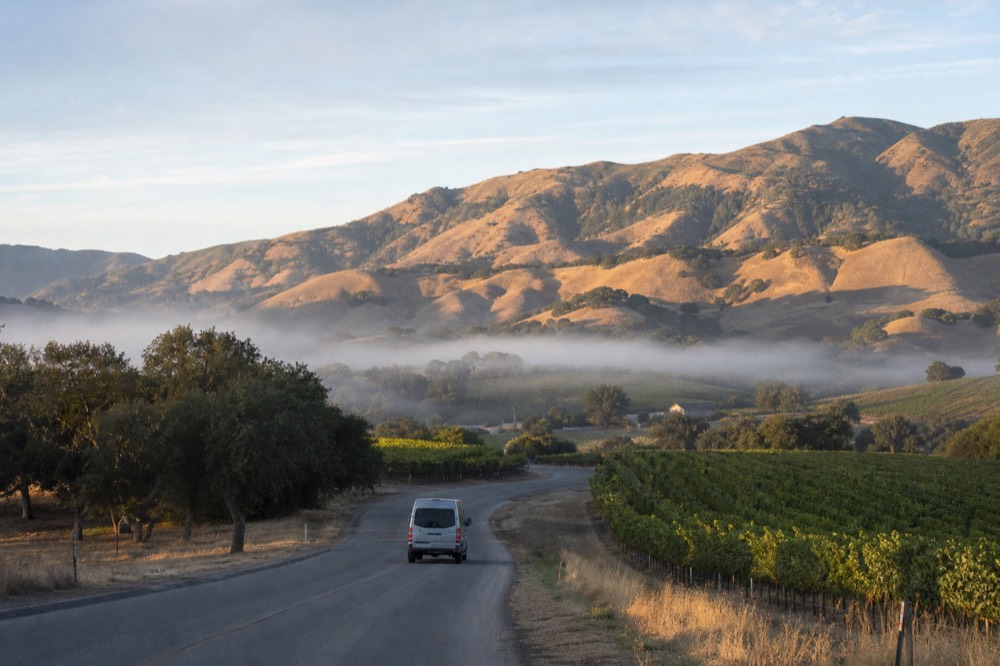
If anything, the quiet months make the case for a tour even easier, because a guided day removes the one downside of winter, the shorter daylight, by planning the route efficiently so you do not waste light hunting addresses. Whatever month you settle on, a guided day runs right across the calendar, so you can hold a date the moment your month is set.
Common questions about the best month to visit
What is the best month to visit Santa Barbara wine country?
September through November is the best window, with warm 70 to 80 degree days, cool evenings, fall color and harvest energy in the tasting rooms. October lands squarely in harvest. Summer is busiest and priciest, winter is quietest and cheapest, and spring greens the hills with a chance of morning fog.
When is harvest in Santa Barbara wine country?
Harvest, or crush, runs from late August into October, and it is the best time to see the wineries at work. Timing shifts each year with the weather, and the cool western appellations often pick latest, stretching harvest into late October. A cool year can run later, a warm one earlier.
What are May Gray and June Gloom?
They are local names for the coastal marine layer that grays out Santa Barbara's shoreline on May and June mornings before burning off around midday. The inland Santa Ynez Valley, where the vineyards are, usually sits warmer and drier, so the fog matters less to a wine day than to a beach day.
What is the cheapest time to visit?
December through February is the quietest and cheapest season. Hotel rates soften, the tasting rooms slow down, and you can linger without crowds. The trade-offs are cooler weather, a chance of rain and shorter days. Spring is the other value window, greening the hills before the summer crowds arrive.
Do wine tours run year-round?
Yes. Tastings and guided tours run all year, so the best month is about atmosphere and price rather than availability. Fall wins for weather and harvest, winter for quiet and value. The driving math holds in any season, so a guided day makes sense whichever month you choose.
Book The Month You Actually Want
Tours run year-round, so the month you want is open now. Check availability before arranging the rest of the trip; nothing is charged on this site, and most listings cancel free up to 24 hours out.
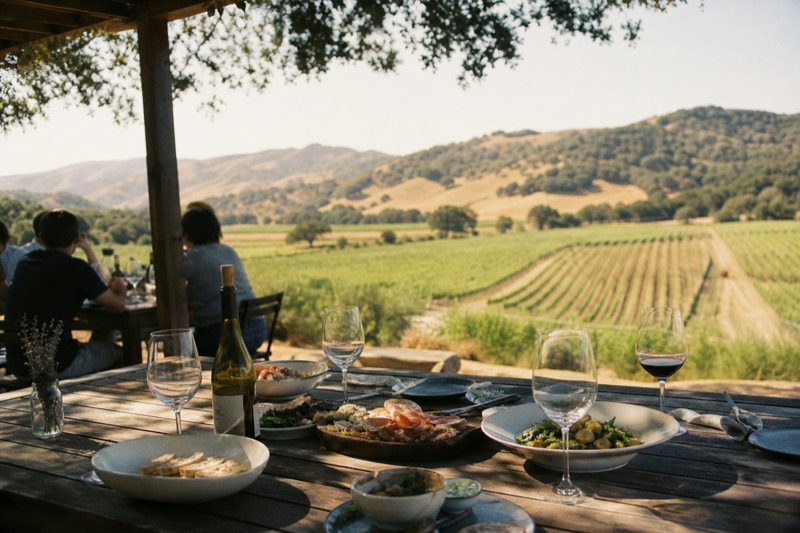
Santa Ynez Valley: 3-Winery Tour with Picnic Lunch
★ 4.9 (115 reviews) · About 5 hours
The top-rated valley day at 4.9 across more than 110 reviews, and it runs year-round, so it fits whichever month you settle on.
It picks up inside the valley at Solvang, Santa Ynez or Buellton, so travelers staying in the city pair it with the shuttle or a from-the-city day.
Published schedule only: final availability and price are confirmed on the listing.
Compare two alternatives inside this module
All-Inclusive Santa Ynez Valley Wine Tour
Santa Ynez Valley Wine Shuttle
Tailor the pick: where you start and what matters most
Two questions, honest matches from the real listings. General guidance, not live inventory: confirm dates and restrictions on the listing.
Santa Ynez Valley: 3-Winery Tour with Picnic Lunch
The top-rated valley day at 4.9 across more than 110 reviews, and it runs year-round, so it fits whichever month you settle on.