What wine is Santa Ynez known for?
Santa Ynez is known for Pinot Noir first, but the honest answer is a range: cool-climate Pinot and Chardonnay in the west, Rhône Syrah in the middle, warm Bordeaux reds in the east.
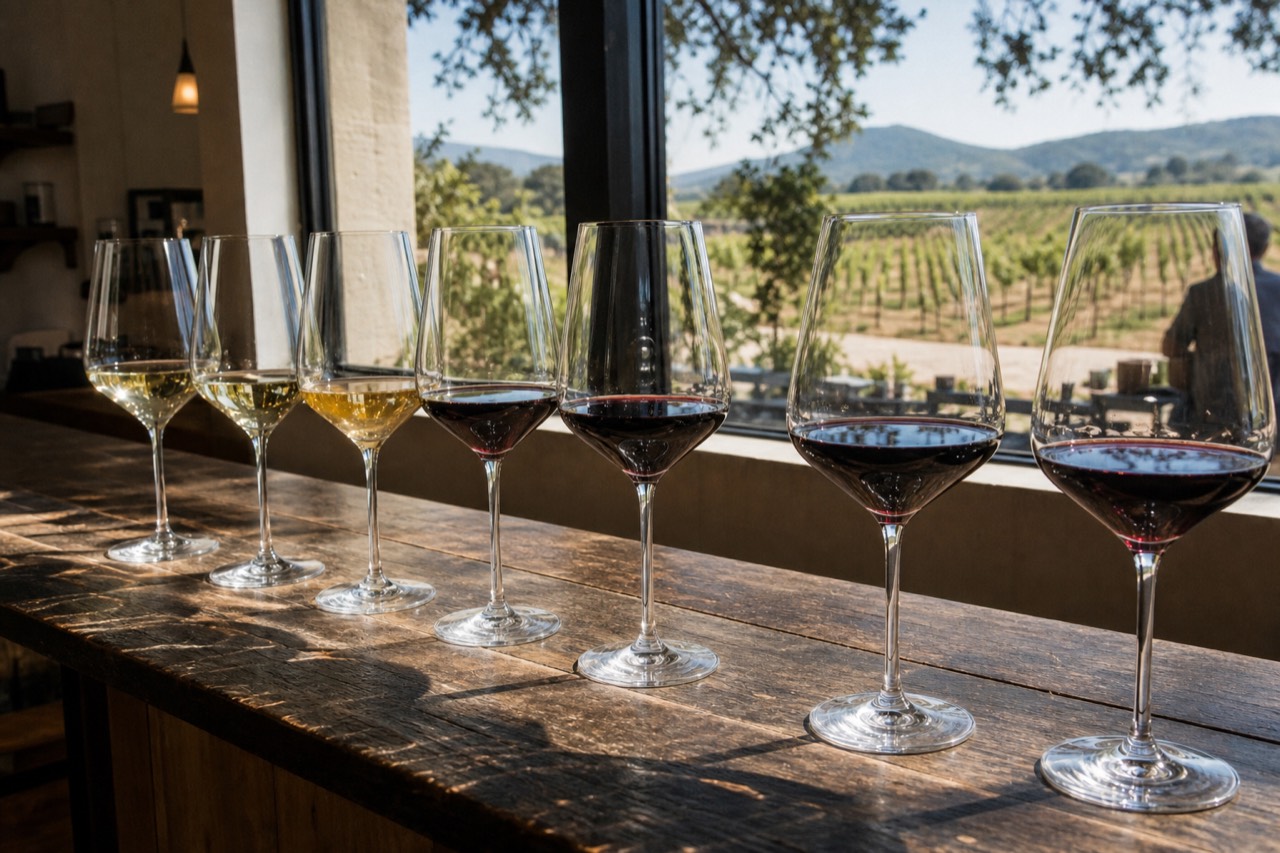
Ask a sommelier what Santa Ynez is known for and the first word is almost always Pinot Noir. That answer is right, but it is only the headline. This one inland valley, roughly forty minutes from the Santa Barbara coast, grows both the delicate, fog-loving Pinot Noir that made it famous and the muscular, sun-loving Cabernet Sauvignon you would normally have to drive to Napa to find. Holding both at once is the genuinely unusual thing about the place.
The reason is a quirk of geology you can taste. Santa Barbara County's coastal mountains run east to west rather than north to south, which lets Pacific fog pour straight inland and cool the western valleys while the eastern end bakes. That single fact carves the region into seven federally recognized wine appellations and explains why one short drive can take you from Burgundian Pinot to Bordeaux Cabernet. Here is the honest, fuller answer to what Santa Ynez is really known for, grape by grape and corner by corner, and how to taste the range in a single day.
What wine is Santa Ynez known for?
Santa Ynez is best known for Pinot Noir, grown in the cool, fog-swept western end and made a household name by the 2004 film Sideways. The complete answer is a range: Chardonnay and Pinot Noir in the cool west, Syrah and other Rhône reds through the middle, and warm-climate Bordeaux grapes like Cabernet Sauvignon and Sauvignon Blanc at the hot eastern end.
Pinot Noir earns the top billing for two reasons. First, the western reaches of the valley are genuinely world-class for it, cool enough and foggy enough to make the delicate, high-acid style the grape needs. Second, a single film pointed the whole country at exactly that grape in exactly this valley, and the reputation stuck. So the short answer to what Santa Ynez is known for is honestly Pinot Noir.
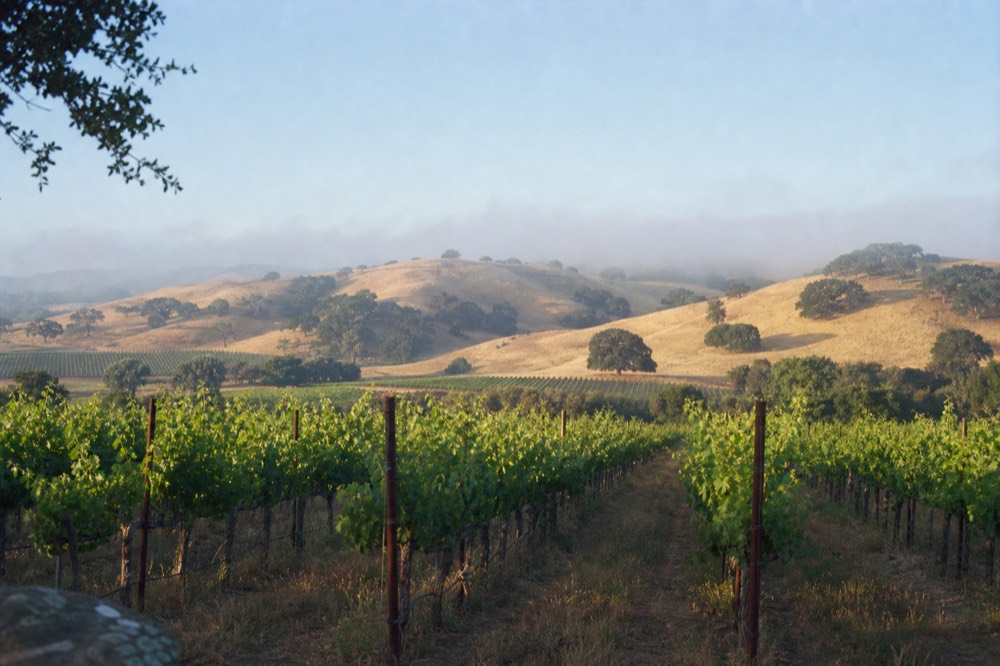
But stopping there sells the valley short, because the valley's range means a single day can move from delicate Pinot country toward bigger red ground. The valley grows Chardonnay alongside its Pinot in the cool west, Syrah and Rhône blends in the warmer middle, and Bordeaux reds and Sauvignon Blanc at the hot eastern edge. That breadth is the region's real signature, and it is why a day here rarely feels like tasting the same wine six times. The table below sorts the valley's grapes by where they thrive.
| Area of the valley | Climate | Known for |
|---|---|---|
| Sta. Rita Hills (west) | Coolest, fog-swept | Pinot Noir, Chardonnay |
| Santa Maria Valley (north) | Cool | Pinot Noir, Chardonnay, Syrah |
| Ballard Canyon (middle) | Mid, warmer | Syrah and Rhône reds |
| Happy Canyon (east) | Warmest, dry | Cabernet Sauvignon, Sauvignon Blanc |
| Los Olivos District | Cool-to-warm mix | Rhône, Bordeaux, Sauvignon Blanc |
If you want to build a day around a specific grape, our guide to private and custom wine tours covers how to weight the itinerary toward one varietal or one corner of the valley. First, though, here is how people usually taste the range.
Why can one valley grow both Pinot Noir and Cabernet?
Because the mountains run the wrong way. Santa Barbara County's coastal ranges run east to west, unusual on the West Coast, so the valleys open straight to the Pacific. Cool marine air and fog funnel inland and cool the western end, while the sheltered eastern end stays hot and dry. That gradient lets fog-loving Pinot Noir and heat-loving Cabernet grow within one short drive.
This is the fact that unlocks everything else about Santa Ynez, and it is genuinely rare. Most California coastal ranges run north to south and wall the vineyards off from the ocean. Here the ranges run east to west, so the valleys act like funnels, drawing the marine layer inland every morning. The further west a vineyard sits, the more fog and cool air it gets; the further east, the hotter and drier it bakes behind the hills.
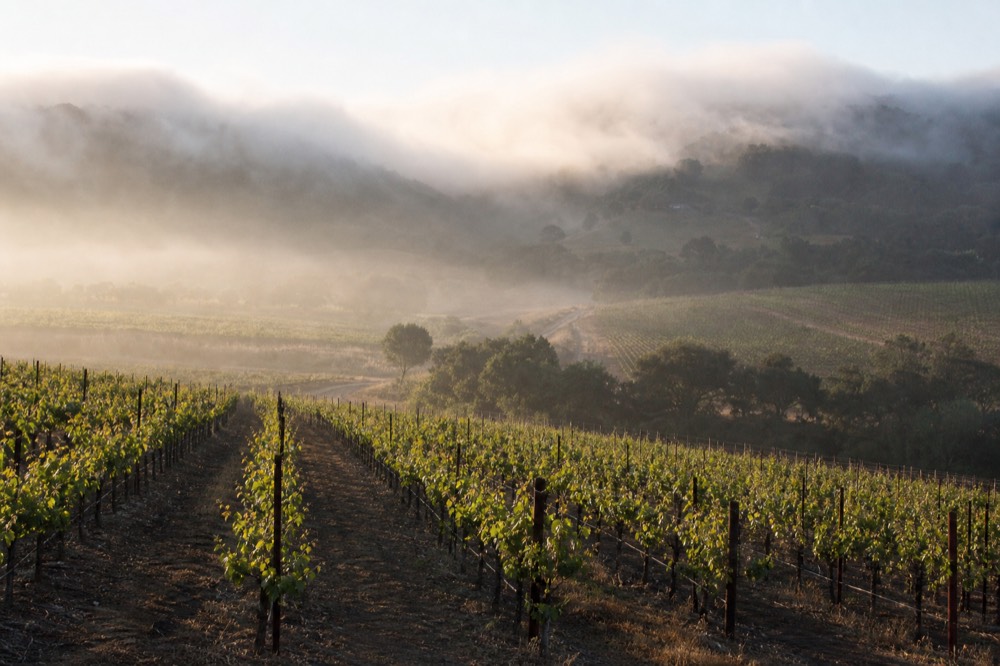
That temperature gradient is why the valley reads like several wine regions stacked end to end. Delicate grapes that need cool nights and a long, slow ripen, above all Pinot Noir and Chardonnay, thrive at the fog-cooled western edge. Grapes that want heat and sun to ripen fully, like Cabernet Sauvignon, need the warm eastern end. In between sits the sweet spot for Syrah and the other Rhône varieties. The table below lines up the gradient so you can see how climate maps onto the glass.
| From west to east | What the climate does | What ripens best |
|---|---|---|
| Western edge | Fog and cool ocean air pour in | Pinot Noir, Chardonnay |
| Middle valley | Warmer, still moderated | Syrah, Grenache, Rhône blends |
| Eastern edge | Hot, dry, sheltered | Cabernet Sauvignon, Sauvignon Blanc |
The upshot for a visitor is that variety comes built in. You do not have to choose between a Pinot region and a Cabernet region, because both sit inside the same day trip. Our guide to the valley's wineries town by town maps which cellar doors sit where along that gradient, so you can plan a route that actually crosses it rather than lingering in one climate.
What is Santa Ynez Pinot Noir like, and where does it grow?
Santa Ynez Pinot Noir is bright, high-acid and elegant rather than heavy, grown mainly in the cool, fog-swept Sta. Rita Hills at the valley's western end. That appellation earned federal recognition in 2001 and is the county's Burgundian heart, prized for Pinot Noir and Chardonnay. It is the wine that carries the valley's reputation and the one the film Sideways sent everyone chasing.
The Sta. Rita Hills is where the valley's Pinot reputation lives. It is the coolest, foggiest corner, close enough to the ocean that the marine layer defines the growing season, which is exactly the condition Pinot Noir demands. The wines lean toward red fruit, freshness and a lighter frame than the jammy, high-alcohol style some California regions produce, which is why serious Pinot drinkers seek them out.
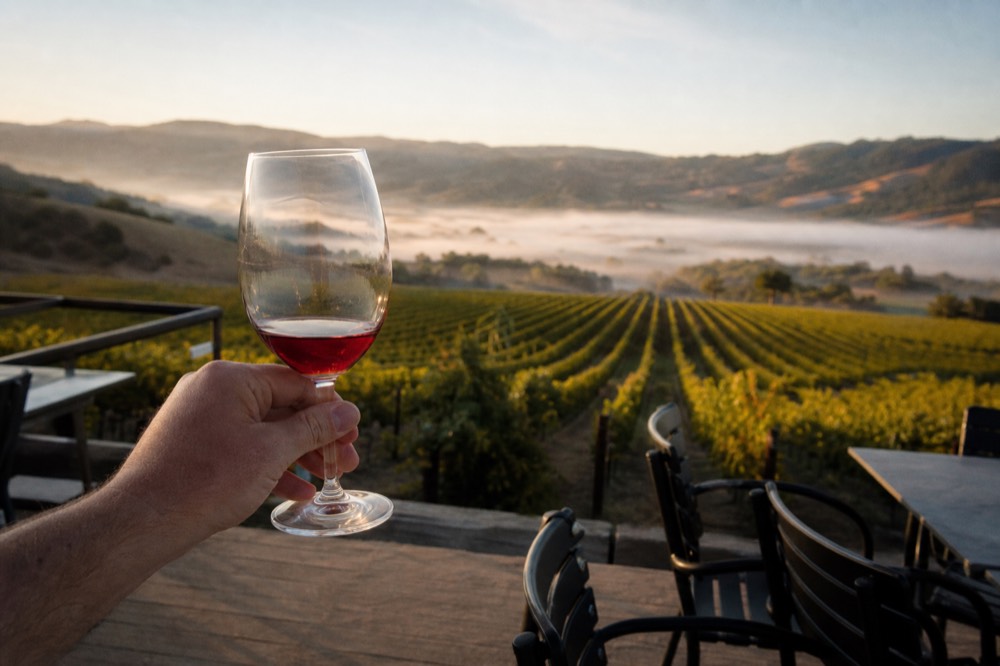
Chardonnay grows right alongside it and deserves nearly equal billing. The same cool conditions that suit Pinot Noir produce a taut, mineral style of Chardonnay rather than a heavy, buttery one, and the two grapes are the classic Burgundian pair the western appellation is built on. If you like your whites crisp and your reds elegant, the fog-cooled west end is where your day should start. For a deeper look at that specific appellation, our guide to the cool-climate Sta. Rita Hills covers its estates and why the fog matters so much.
The honest caveat is geography. The estates out west are dispersed across ranch country, not clustered on a walkable street, so reaching several in a day means either a lot of driving or a tour that handles it. That is part of why the guided valley days exist, and why so many people who want the real Pinot experience book one rather than piece it together alone.
What about Syrah, Rhône reds and Chardonnay?
The middle of the valley, especially Ballard Canyon, is the county's Rhône heartland, known for Syrah and Grenache-style reds with real depth. Chardonnay runs through the cooler western and northern reaches alongside Pinot Noir. Together, Rhône reds and cool-climate Chardonnay form the valley's strong supporting cast behind the headline Pinot Noir, and many locals rate the Syrah just as highly.
If Pinot Noir is the valley's fame, Syrah is arguably its quiet pride. Ballard Canyon, recognized as its own appellation in 2013, sits in the warmer middle of the valley and has become the county's Rhône stronghold. The Syrah here tends toward savory, peppery, structured wines rather than sweet fruit bombs, and it is the grape a lot of local winemakers will steer you toward once you have done the Pinot circuit.
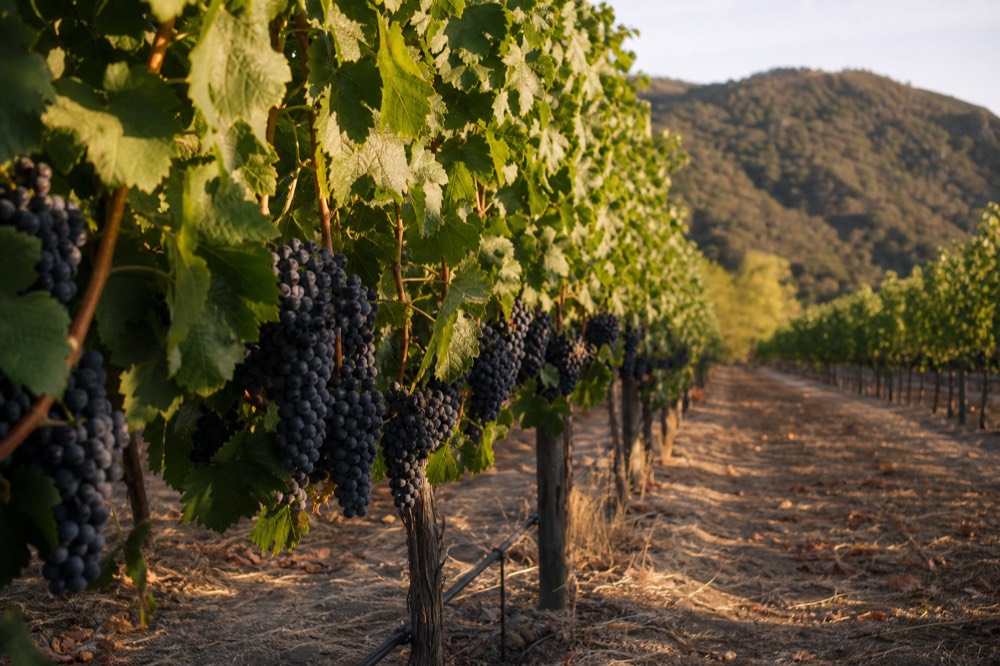
Chardonnay, meanwhile, is the white that ties the cool areas together. Grown in the same fog-influenced ground as Pinot Noir, it comes out fresher and more mineral than the heavily oaked California style many people picture. The valley also grows Grenache, Viognier and other Rhône grapes, so a Rhône-focused afternoon in the middle of the valley is a genuine option, not a novelty. The table below sums up the supporting-cast grapes and where they shine.
| Grape | Where it thrives | Style to expect |
|---|---|---|
| Syrah | Ballard Canyon, mid-valley | Savory, peppery, structured |
| Grenache and Rhône blends | Middle valley | Warm, red-fruited, food-friendly |
| Chardonnay | Cool west and north | Fresh, mineral, restrained oak |
| Viognier | Warmer mid-valley pockets | Aromatic, full-bodied white |
The practical takeaway is that a good valley day is a tour of climates as much as of wineries. Start cool in the west for Pinot and Chardonnay, move through the middle for Syrah, and you have tasted most of what the valley does well before lunch. A guide who knows the ground can sequence that for you, which is one reason the fixed-route guided days are popular with people who want the range without the logistics.
Which wines come from the warmer eastern end?
The warm, dry eastern end, especially the Happy Canyon appellation, is Santa Ynez's Bordeaux country. Sheltered from the ocean fog, it ripens Cabernet Sauvignon, Merlot, Cabernet Franc and crisp Sauvignon Blanc, wines with more heft and structure than the cool-climate west. It is the surprise of the valley: serious Cabernet grown a short drive from world-class Pinot Noir.
Happy Canyon of Santa Barbara, recognized as an appellation in 2009, is the hottest, easternmost corner of the valley, tucked behind the hills where the fog does not reach. That heat is exactly what Bordeaux grapes want. The Cabernet Sauvignon here can be genuinely powerful, with the ripeness and structure people usually associate with regions much further from the coast, and the Sauvignon Blanc is bright and zippy.
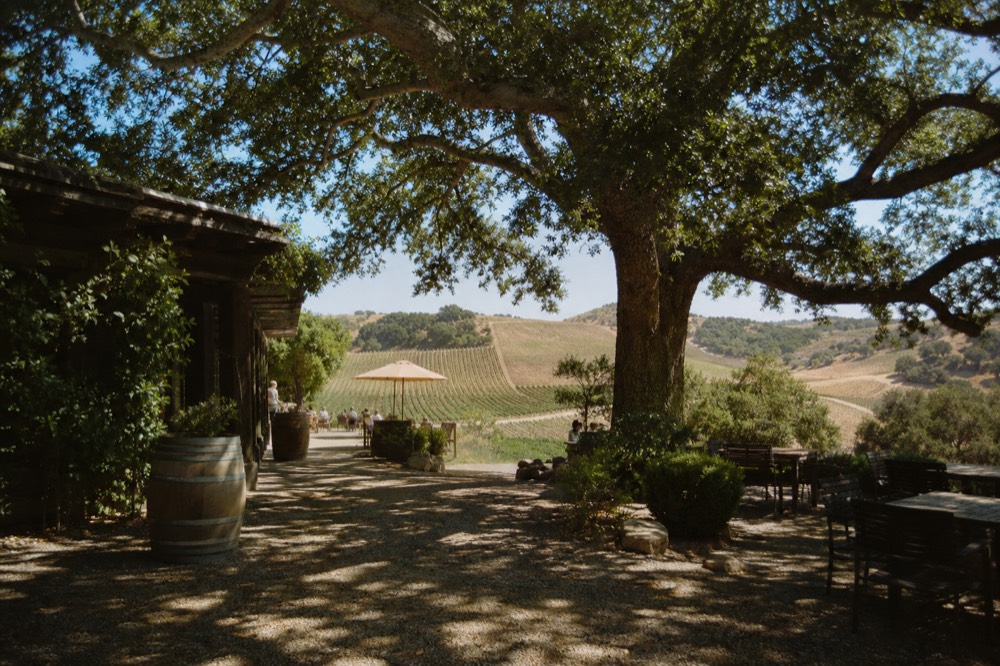
This is the part that catches first-time visitors off guard. You come for Pinot Noir, and you leave having tasted a Cabernet you would happily put beside a much more famous name, grown twenty minutes up the road from the fog. The contrast is the whole pleasure of the valley, and it is why a well-planned day deliberately visits both ends. The table below shows how the eastern grapes differ from the western ones.
| Grape | End of the valley | What sets it apart |
|---|---|---|
| Cabernet Sauvignon | Warm east (Happy Canyon) | Ripe, structured, ages well |
| Merlot and Cabernet Franc | Warm east | Rounder Bordeaux partners |
| Sauvignon Blanc | Warm east | Crisp, aromatic, zesty white |
| Pinot Noir | Cool west | Bright, elegant, high-acid |
The Merlot mention is worth a footnote, because the film that made this valley famous was famously rude about that grape. The joke never matched the wine, and the valley still grows Merlot worth taking seriously. If that history interests you, we traced the way Sideways reshaped this valley and the durable trail it left behind.
How did Sideways shape what Santa Ynez is known for?
The 2004 film Sideways, shot across the Santa Ynez Valley, hard-wired Pinot Noir into the region's identity. Its lead worshipped Pinot and openly scorned Merlot, and American buyers followed: economists documented a real, significant rise in Pinot Noir sales and a dip in Merlot's growth. The valley's winery count and tourism boomed in the two decades since.
It is hard to overstate how much one movie shaped what this valley is known for. Before Sideways, Santa Barbara County was a respected but under-the-radar wine region. After it, Pinot Noir became the grape everyone associated with the place, and the valley became a pilgrimage for wine travelers. The film did not invent the quality that was already here, but it aimed a national spotlight at exactly one grape in exactly this valley.
The effect was measurable, not just anecdotal. A peer-reviewed study in the Journal of Wine Economics found a statistically significant rise in Pinot Noir volume and price after the film, strongest in the twenty-to-forty-dollar range, alongside a real decline in Merlot's growth at the cheaper end. Widely cited figures put the Pinot Noir sales jump at around 16 percent in the months after release. The county's winery count, meanwhile, grew from about 60 around 2001 to more than 250 today, per the county's vintners association.
What the film could not do was narrow the valley down to one grape, however hard the reputation tries. Walk into the tasting rooms today and the winemakers will happily pour you the Pinot that pays the bills, then quietly steer you toward the Syrah or the Cabernet they are proudest of. That tension, between the famous grape and the fuller range, is the honest heart of what Santa Ynez is known for. The fame is Pinot Noir; the reality is a valley that does far more.
Where can you taste the full range in a day?
A single guided valley day can cross the whole cool-to-warm gradient, from western Pinot and Chardonnay to eastern Cabernet. Because the estates are dispersed and not walkable, and California's driving limit is 0.08 percent, a tour that handles the route and the reservations is the practical way to taste the range. A guide can also sequence the day so the wines build sensibly.
The valley's variety is its gift and its logistical puzzle. The grapes you want are spread across a temperature gradient that runs the length of the valley, on estates connected by ranch roads rather than sidewalks. Tasting the real range means covering ground, and covering ground while tasting is exactly what you should not do behind your own wheel.
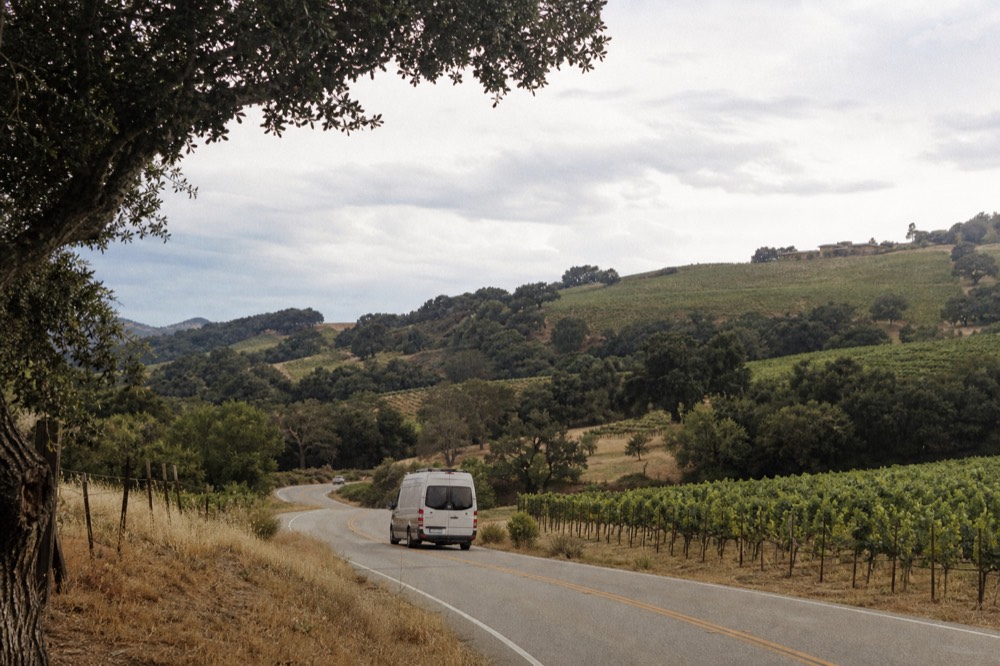
The reason is not complicated. A tasting flight is four to six pours, a day is three or four flights, and California sets the legal limit at 0.08 percent under Vehicle Code section 23152, confirmed against the state's 0.08 percent legal limit. A guided day removes that problem and adds real value, because a good guide sequences the wines so you taste the delicate whites and Pinot before the big eastern reds, and books the appointment-only estates you cannot simply walk into. This is how we frame it at Santa Barbara Wine Tours: match your day to the grapes you actually want, and let someone else drive the gradient.
The fixed-price guided day is the fuss-free way to do it, running a longer six-to-eight-hour route across small estates for a firm figure. For something active and outdoors, the vineyard e-bike day covers ground between vineyards under your own power, and our guide to open-air and e-bike wine tours covers that format in full. The day below is the firm-price way to reach the ground where both Pinot and Cabernet grow within one afternoon, and the end of this guide compares the full spread across price and style.
Common questions about Santa Ynez wine
What wine is Santa Ynez known for?
Santa Ynez is best known for Pinot Noir, grown in the cool, fog-swept western end and made famous by the 2004 film Sideways. The fuller answer is a range: Chardonnay and Pinot in the cool west, Syrah and Rhône reds in the middle, and Cabernet Sauvignon and Sauvignon Blanc at the warm eastern end.
Why can Santa Ynez grow both Pinot Noir and Cabernet?
Because its coastal mountains run east to west rather than north to south, the valleys open to the Pacific and funnel fog inland. That cools the western end, where Pinot Noir thrives, while the sheltered eastern end stays hot and dry enough for Cabernet Sauvignon, all within one short drive.
Is Santa Ynez known for Pinot Noir or Syrah?
Pinot Noir is the famous grape, thanks to the cool western Sta. Rita Hills and the film Sideways. Syrah is the valley's quiet pride, grown mainly in the warmer middle around Ballard Canyon. Many local winemakers rate their Syrah just as highly, so the honest answer is both, in different corners.
What is Santa Ynez Pinot Noir like?
It tends to be bright, high-acid and elegant rather than heavy, with red-fruit character. The cool, foggy western end of the valley gives it a lighter, fresher frame than warmer California regions, which is why serious Pinot drinkers seek out wines from the Sta. Rita Hills.
Does Santa Ynez grow good Cabernet Sauvignon?
Yes. The warm, dry eastern end, especially the Happy Canyon appellation, is sheltered from the ocean fog and ripens serious Bordeaux grapes. The Cabernet Sauvignon there has real structure and ripeness, which surprises visitors who come for Pinot and leave having tasted a strong Cabernet a short drive away.
What is the best way to taste the range in a day?
A guided valley day is the practical option, because the estates are dispersed across the cool-to-warm gradient and not walkable, and California's driving limit is 0.08 percent. A tour handles the route and the reservations, and a good guide sequences the wines so the delicate whites and Pinot come before the big eastern reds.
Reserve Your Santa Ynez Wine Day
Have a travel date in mind? Check availability and pickup details now, before arranging the rest of the trip. Nothing is charged on this site, and most listings cancel free up to 24 hours out.
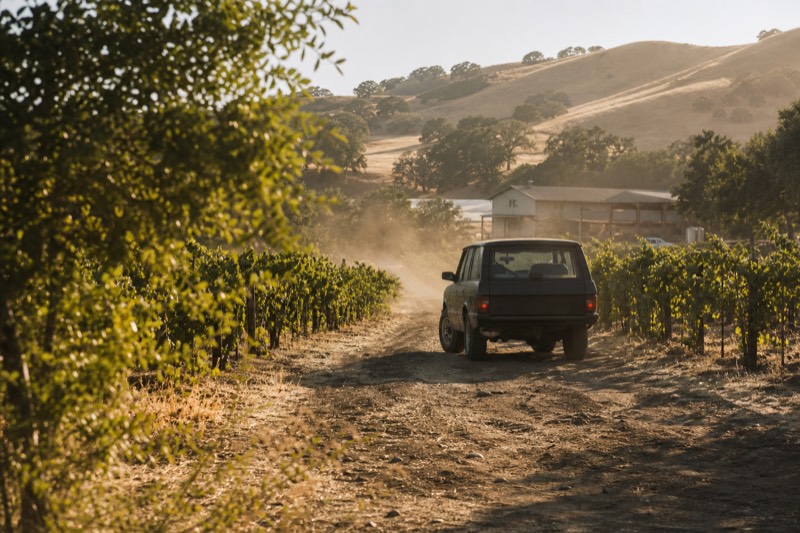
Santa Ynez: Wine Country Tour
from $239 · ★ 4.8 (28 reviews) · 6 to 8 hours
The longest guided day in the lineup at six to eight hours, run across small estates at a firm published price, which suits tasting the valley's full cool-to-warm range in one afternoon.
Lunch and tasting fees are not folded into the price, and the day runs longer than the five-hour valley tours.
Compare two alternatives inside this module
Santa Ynez Valley: 3-Winery Tour with Picnic Lunch
All-Inclusive Santa Ynez Valley Wine Tour
Tailor the pick: where you start and what you want the day to taste
Two questions, honest matches from the real listings. General guidance, not live inventory: confirm dates and restrictions on the listing.
Santa Ynez: Wine Country Tour
The longest guided day in the lineup at six to eight hours, run across small estates at a firm published price, which suits tasting the valley's full cool-to-warm range in one afternoon.