Do you need reservations for wineries in Santa Barbara?
Which rooms take walk-ins, which require booking, how far ahead to reserve, and why a tour sidesteps the whole question. The honest reservation rules for Santa Barbara wine country.
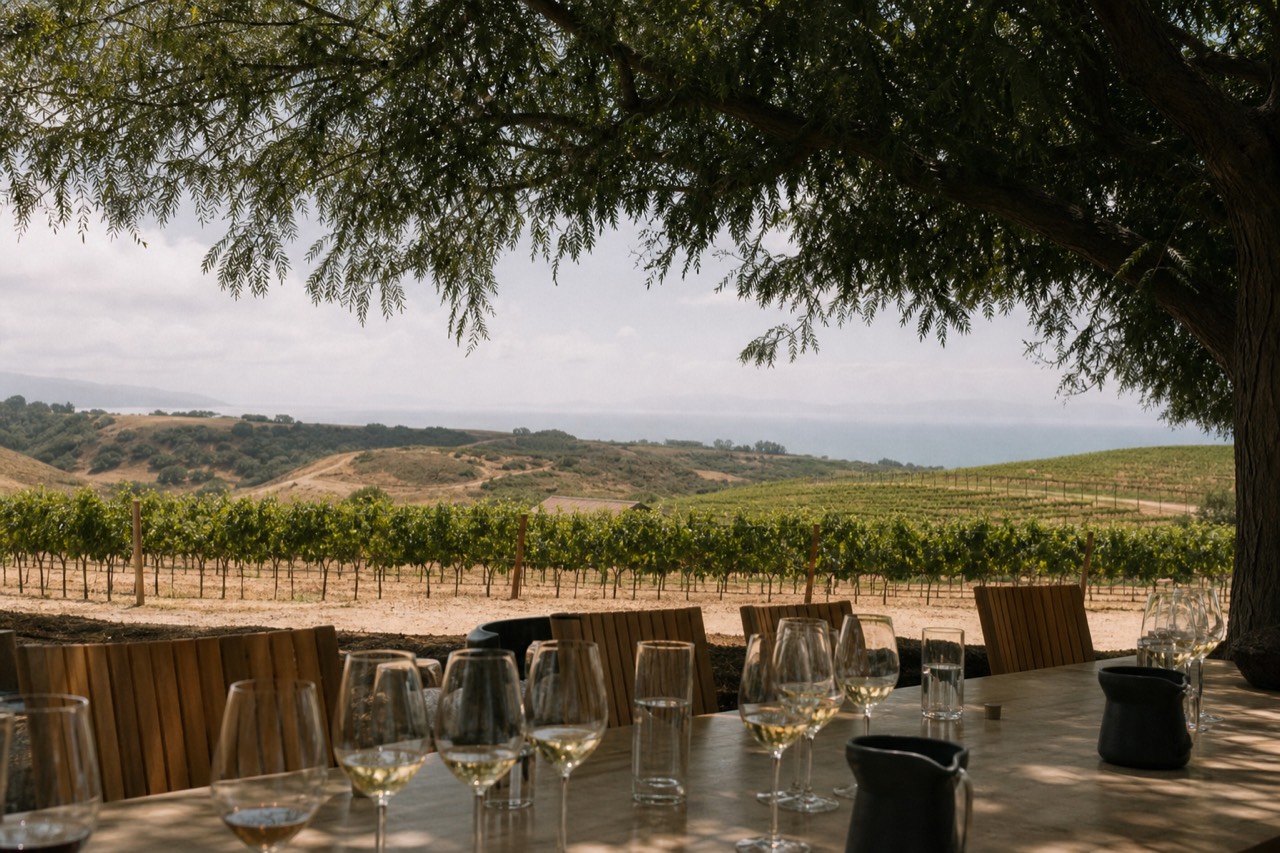
Turn up unannounced at a walk-in room in Los Olivos and you will be pouring within minutes. Do the same at a rural estate out on a ranch road and you may find a locked gate and a sign that says appointments only. That split, between the casual walk-in rooms and the increasingly reservation-only estates, is the single thing that decides whether a Santa Barbara wine day runs smoothly or ends in a string of closed doors. And it has shifted in the last few years, which is why old advice about "just showing up" no longer holds everywhere.
The honest answer to whether you need reservations is that it depends entirely on where you plan to taste, how big your group is, and when you are going. This is the room-by-room reality: which places still welcome walk-ins, which now require a booking, how far ahead to plan, and why a guided day removes the question altogether by arranging every stop before you arrive.
Do you need reservations for wineries in Santa Barbara?
You do not always need reservations, but it depends where you taste. Walk-ins are normal at tasting rooms in the walkable towns, Los Olivos, Solvang, Los Alamos and the downtown Funk Zone. Rural estate wineries increasingly require a booking, especially for seated tastings and groups of six or more. Peak weekends and harvest season tighten the rules everywhere.
The reservation question does not have one answer because Santa Barbara wine country is really two different tasting cultures. The walkable towns run on foot traffic and casual walk-ins, the way a bar does. The rural estates run on appointments, the way a restaurant with a small dining room does. Knowing which kind of room you are heading to is the whole game.
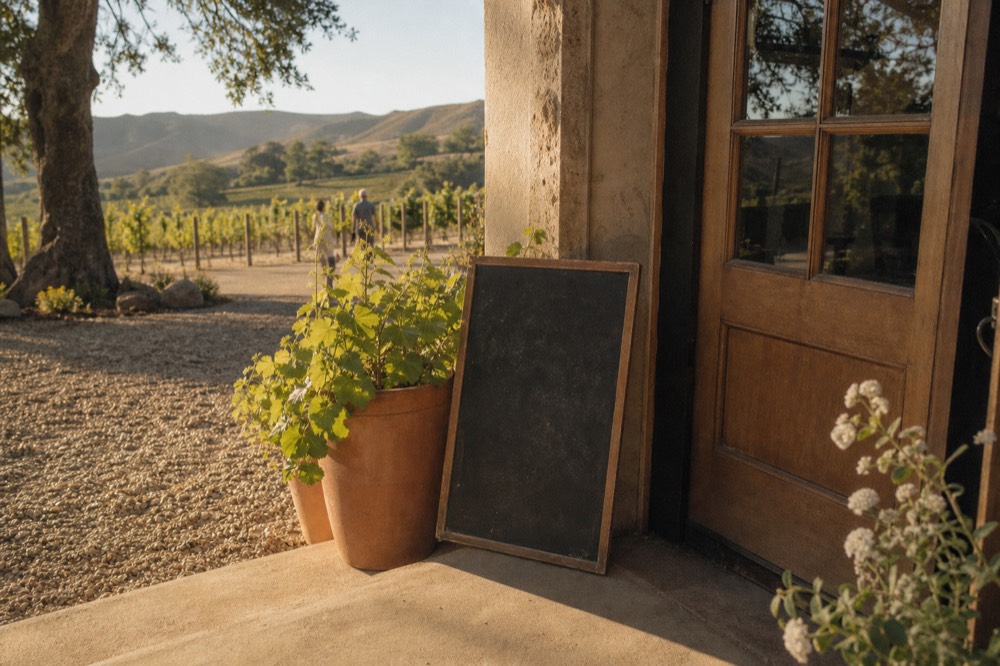
The trend across the county has moved toward booking, particularly since seated, hosted tastings became the norm at estates that once poured casually at a bar. That does not mean the walk-in is dead. It means the walk-in now lives mostly in the towns, while the estates want to know you are coming. The table below sorts the county's rooms by how likely you are to need a reservation.
| Where you taste | Reservation needed? | The reality |
|---|---|---|
| Walkable-town rooms | Usually no | Walk in and taste, groups excepted |
| Downtown Funk Zone | Usually no | Around twenty walkable rooms, walk-in friendly |
| Rural estate wineries | Often yes | Seated tastings, appointment-only common |
| Groups of six or more | Almost always | Call ahead anywhere, even walk-in rooms |
| Peak weekends and harvest | Book to be safe | Even casual rooms fill fast |
The safest planning rule is to split your day: build the flexible, walk-in part around the towns, and book any estate you have your heart set on. Our guide to how a Santa Barbara tasting day works covers the seated-versus-walk-in distinction in more detail. If you would rather not plan any of it, a tour handles every booking.
Or skip the juggling altogether: the picnic day's seated tastings are arranged before you arrive.
Which Santa Barbara wineries take walk-ins?
Walk-ins are normal at tasting rooms in the walkable towns: Los Olivos, Solvang, Los Alamos and the downtown Funk Zone. These rooms are built for foot traffic, so a couple or small group can usually taste without booking, outside peak times. The catch is group size and timing, since even a walk-in room can fill on a busy Saturday or turn away a large party.
The walk-in culture survives where the rooms cluster on a walkable street, because those rooms depend on passersby. Los Olivos is the clearest example, a compact grid of tasting rooms you can cross on foot, where wandering from door to door is the whole point. Solvang, Los Alamos and the Funk Zone work the same way, built around people strolling in rather than arriving for a booked slot.
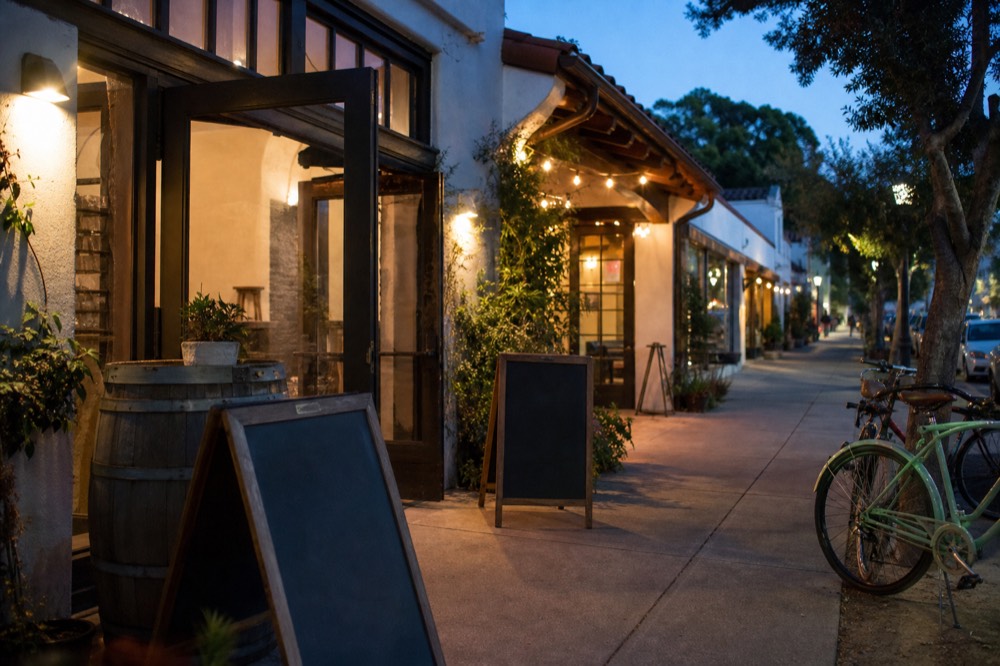
The downtown Funk Zone is the most walk-in-friendly of all, with roughly twenty rooms in a thirteen-block district where hopping between them without a plan is normal. Our guide to the walkable downtown wine trail covers that district in full. The two real limits on walk-ins everywhere are group size and timing. The table below sorts the walk-in scene by where it holds up.
| Walk-in area | How reliable | Watch out for |
|---|---|---|
| Los Olivos | Very, a walkable room grid | Peak-weekend crowds |
| Downtown Funk Zone | Very, about twenty rooms | Large groups, small rooms |
| Solvang | Good, a growing cluster | Busy tourist weekends |
| Los Alamos | Good, a small strip | Fewer rooms overall |
| Rural estates | Unreliable, book instead | Locked gates without a booking |
So a small group with a flexible plan can build a genuinely walk-in day around the towns and rarely hit a wall. The moment you add a sixth person or lock onto a specific famous estate, the walk-in strategy starts to break, which is where the booking rules kick in. At Santa Barbara Wine Tours the advice is simple: taste the towns freely, book the estates, and let a tour cover you when the plan gets complicated.
Which Santa Barbara wineries require reservations?
Rural estate wineries out on the ranch roads increasingly require reservations, especially for seated tastings, hosted flights and any group of six or more. Appointment-only has become common at the more remote and sought-after estates, where a small hosting team cannot absorb walk-ins. Harvest season and event weekends push even casual rooms toward requiring a booking.
The reservation-required end of the spectrum is where a wine day goes wrong for the unprepared. The estates most worth visiting, the scenic, sought-after ones on the ranch roads between towns, are exactly the ones most likely to want an appointment. A small hosting team pouring seated flights in a limited space cannot take a busload of walk-ins, so they book by the slot.
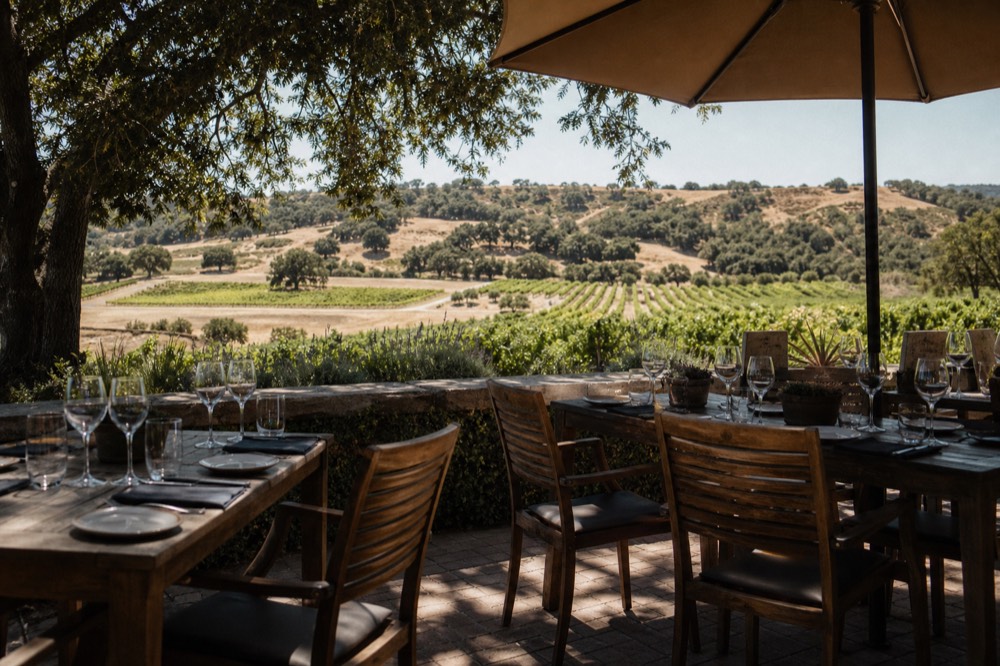
There is a geography to this. Most of the county's more than 250 wineries, counted by the county vintners' association, sit inland and dispersed rather than on a walkable street. These estates are precisely the rooms you cannot walk into off a street, because there is no street, just a driveway off a ranch road. Reaching them at all requires a car or a driver, and reaching them without a booking often means finding a closed gate. Our guide to getting up to the valley from the coast covers why those estates are the hardest to reach and the strongest case for a tour. The table below sorts what typically needs booking.
| Situation | Reservation status | Why |
|---|---|---|
| Seated hosted flight | Usually required | A host and a set time slot |
| Remote ranch-road estate | Often appointment-only | Small team, no walk-in space |
| Sought-after big-name estate | Book well ahead | Limited slots, high demand |
| Group of six or more | Required almost anywhere | Rooms are small |
| Harvest and event weekends | Book to be safe | Everything fills up |
The firm-price guided valley day removes this problem entirely, because the operator arranges every seated tasting before you arrive. Rated 4.8 across 28 reviews and firm from $239 per person, it runs a longer route across small estates with a guide driving, so you never face a locked gate or a phone queue. You can check the dates and what it covers on the operator's live listing.
Do you need a reservation for a wine tour?
You do need to book a wine tour itself, usually online in advance, but that single booking replaces every winery reservation you would otherwise juggle. The operator arranges the seated tastings, times the stops, and handles the estates that require appointments. It is the simplest way to reach reservation-only wineries without making a single call yourself.
This is the quiet advantage of a guided day that people underrate. Yes, you book the tour, but that one reservation does the work of four or five, because the operator has standing relationships with the rooms and slots them in for you. Instead of phoning estates, comparing their booking windows, and hoping the timings line up, you book one tour and turn up.
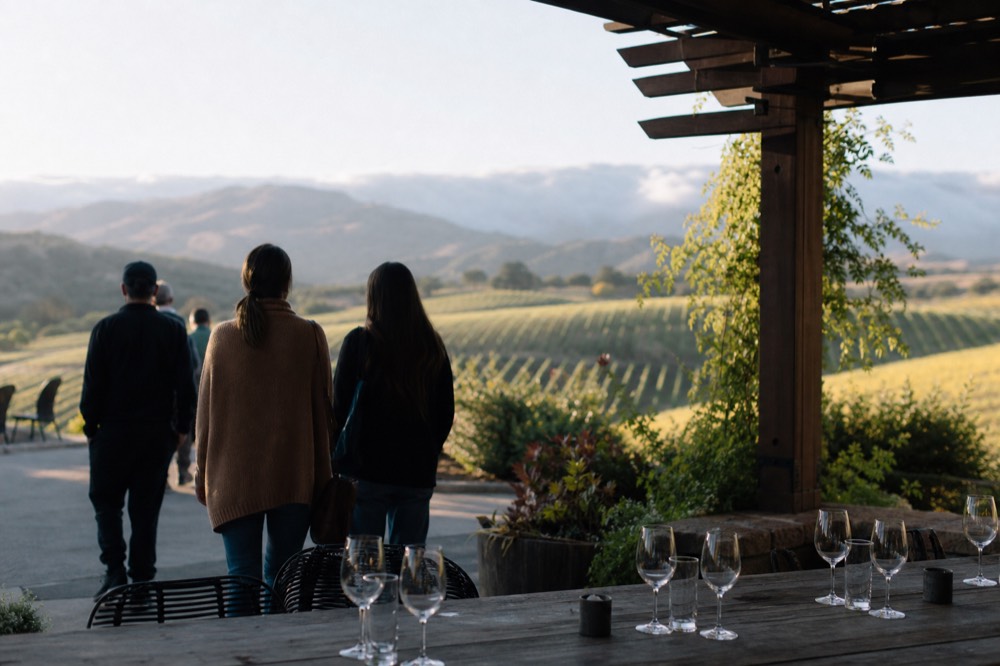
The top-rated way to do this is the small-group picnic day, rated 4.9 across 115 reviews, which arranges seated tastings at three wineries and packs a picnic lunch, with the price on the live listing. It is the most-booked valley day on this site precisely because it removes the planning entirely. The table below shows what booking a tour replaces.
| Without a tour | With a tour |
|---|---|
| Phone or book each estate yourself | One booking covers every stop |
| Match every room's opening slots | The operator times the route |
| Risk a closed gate at an estate | Seated tastings arranged in advance |
| Arrange a sober driver | Driving handled for you |
| Coordinate a large group's bookings | Group slotted in together |
For a first-timer, or anyone who dislikes logistics, this is the whole argument for a guided day in one line: you make a single reservation instead of five. Our full comparison of how the valley tour days compare lays out which format handles the bookings best for your group.
How far ahead should you book a Santa Barbara winery?
Book estate wineries and seated tastings a few days to a couple of weeks ahead, and further out for peak weekends, harvest season from late August into October, and any group of six or more. Walk-in town rooms need no advance booking outside busy times. Tours are best booked online in advance, with free cancellation on most listings here up to 24 hours out.
Timing your bookings is about matching the room to the demand. A walk-in room in Los Olivos on a quiet Tuesday needs no notice at all. A sought-after estate on a harvest Saturday might want a booking two weeks out. The rule of thumb is that the more remote, more seated and more famous the room, and the busier the date, the further ahead you should plan.
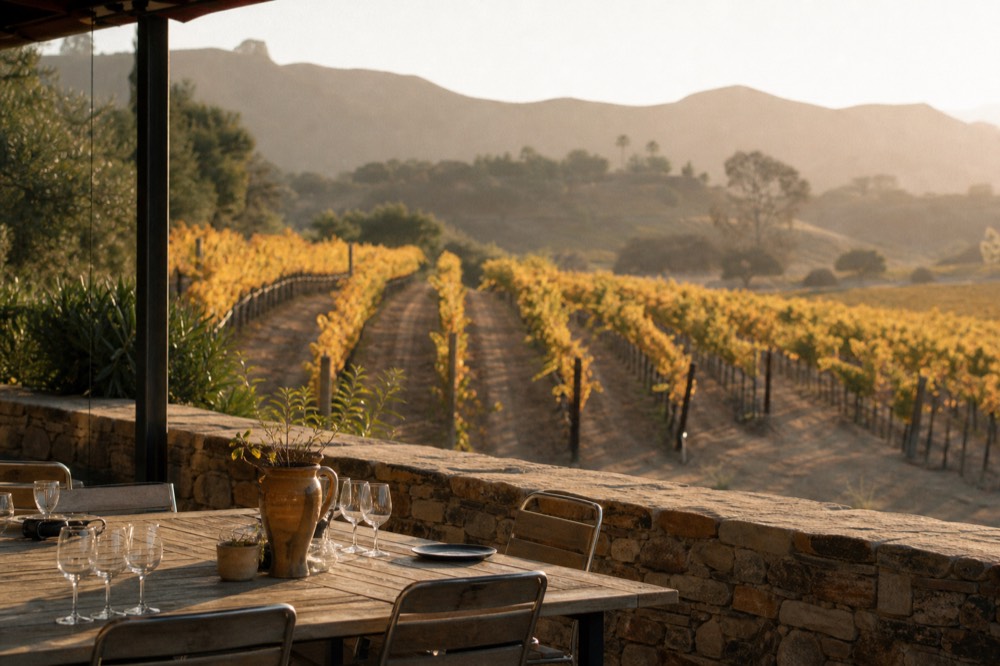
Harvest season is the pinch point. From late August into October the rooms are busiest and most alive, with fruit coming in and event weekends stacking up, so that is when even flexible rooms fill and advance booking pays off. Our post on what a day of tastings really costs covers how those busy weekends also affect availability and value. The table below sets out how far ahead to book by situation.
| Situation | How far ahead | Why |
|---|---|---|
| Walk-in town room, off-peak | No booking needed | Built for foot traffic |
| Estate or seated tasting | A few days to two weeks | Limited slots |
| Peak weekend or harvest | Two weeks or more | High demand, events |
| Group of six or more | As early as you can | Rooms are small |
| Guided tour | In advance online | Popular dates sell out |
The reassuring part is that a booked tour carries free cancellation on most listings here up to 24 hours out, so holding a date early costs you nothing and keeps your options open. Book the tour or the estate early, keep the walk-in town rooms as your flexible backup, and the day stays relaxed.
What happens if you show up without a reservation?
At a walk-in town room, nothing: you taste as normal. At a reservation-only estate, you may be turned away, offered a later slot, or told to book online first, especially on a busy day or with a group. The risk is highest at remote estates and on peak weekends, which is why a tour or a couple of advance bookings saves the day.
The consequence of arriving unbooked ranges from zero to a wasted drive, depending entirely on the room. In a walk-in town, showing up is the normal way to taste, so there is no penalty and no awkwardness. At an appointment-only estate, the outcome is less friendly: you might be squeezed in later, sent away to book online, or simply turned back at the gate if the slots are full.
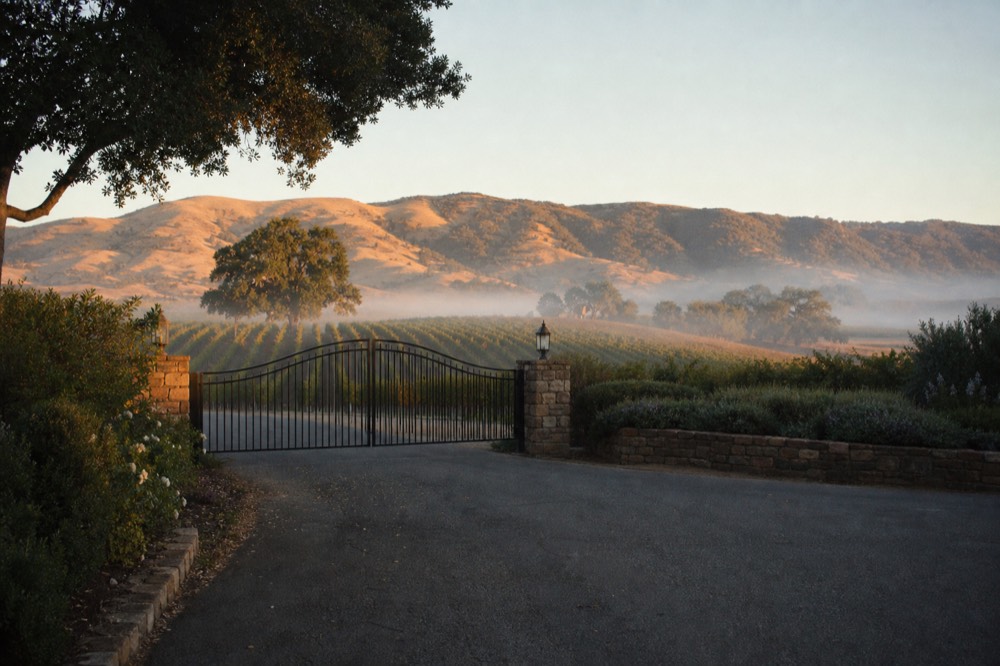
The real cost is time. Driving out to a remote estate on a ranch road only to find it fully booked can burn an hour of a day you planned around it, and out there you cannot simply stroll to the next room. That is the scenario a little planning avoids, and the one a guided day eliminates by arranging everything in advance. If reaching those estates is the goal, our guide to how the valley tour days compare shows which tours reach the appointment-only rooms. The table below sums up the outcomes.
| You arrive unbooked at | Likely outcome |
|---|---|
| A walk-in town room | You taste as normal |
| A busy town room, large group | You may wait or be split up |
| An estate with open slots | You might be fit in |
| A booked-out estate | Turned away or sent to book online |
| A remote estate on a peak day | A wasted drive, book ahead |
The takeaway is simple and not alarmist: plan the estates, wing the towns. Book anything seated, remote or in demand, keep the walkable-town rooms as your flexible fallback, and you will not lose a day to a closed gate. Or hand the whole problem to a tour and never think about it.
Common questions about Santa Barbara winery reservations
Do you need reservations for wineries in Santa Barbara?
Not always. Walk-ins are normal at rooms in the walkable towns like Los Olivos, Solvang and the downtown Funk Zone. Rural estate wineries increasingly require a booking, especially for seated tastings and groups of six or more. Peak weekends and harvest season tighten the rules everywhere.
Which Santa Barbara wineries take walk-ins?
Walk-ins are normal at tasting rooms in the walkable towns: Los Olivos, Solvang, Los Alamos and the downtown Funk Zone, where roughly twenty rooms welcome foot traffic. A couple or small group can usually taste without booking, outside peak times and away from the remote estates.
Which wineries require reservations?
Rural estate wineries on the ranch roads increasingly require reservations, especially for seated, hosted tastings and any group of six or more. Appointment-only has become common at the more remote and sought-after estates, where a small team cannot absorb walk-ins.
How far ahead should you book a Santa Barbara winery?
Book estates and seated tastings a few days to a couple of weeks ahead, and further out for peak weekends, harvest from late August into October, and groups of six or more. Walk-in town rooms need no advance booking outside busy times. Tours are best booked online in advance.
Do you need a reservation for a wine tour?
You book the tour itself in advance, but that single booking replaces every winery reservation. The operator arranges the seated tastings, times the stops and handles the appointment-only estates, so you reach reservation-only wineries without making a single call yourself.
What happens if you show up at a winery without a reservation?
At a walk-in town room, you taste as normal. At a reservation-only estate, you may be turned away, offered a later slot, or told to book online first, especially on a busy day or with a group. The risk is highest at remote estates and on peak weekends.
Book The Day That Handles The Reservations
Have a travel date in mind? One guided booking replaces every winery reservation, and most listings cancel free up to 24 hours out. Nothing is charged on this site, so check availability while the trip is still flexible.
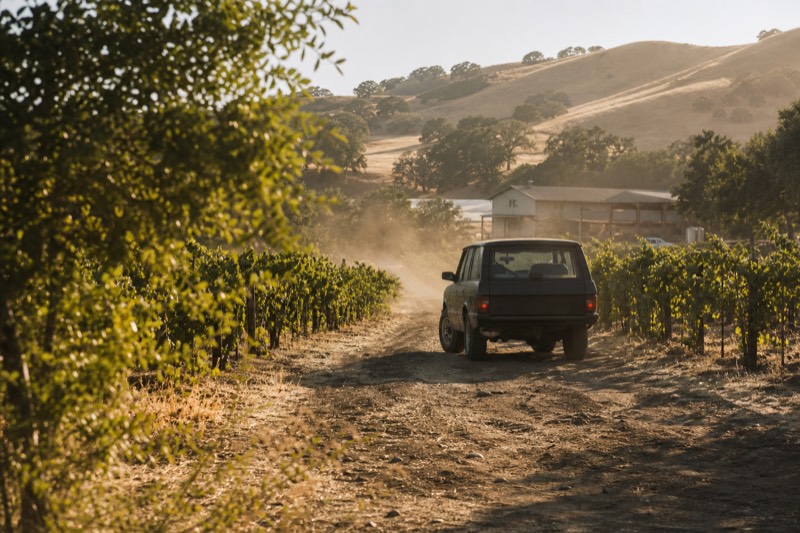
Santa Ynez: Wine Country Tour
from $239 · ★ 4.8 (28 reviews) · 6 to 8 hours
The firm-price guided valley day: every seated tasting arranged before you arrive and a guide driving the whole route, so the reservation question disappears.
Lunch sits outside the firm from-$239 figure, and the day runs six to eight hours, longer than the picnic formats.
Compare two alternatives inside this module
Santa Ynez Valley: 3-Winery Tour with Picnic Lunch
Funk Zone Wine, Chocolate & History Walk
Tailor the pick: where you are tasting and who does the booking
Two questions, honest matches from the real listings. General guidance, not live inventory: confirm dates and restrictions on the listing.
Santa Ynez: Wine Country Tour
The firm-price guided valley day: every seated tasting arranged before you arrive and a guide driving the whole route, so the reservation question disappears.