How to Get to Santa Barbara Wine Country
The vines sit about forty minutes inland from the coast, over a mountain pass. Here is every way to reach them, and why most people hand over the driving.
Short answer
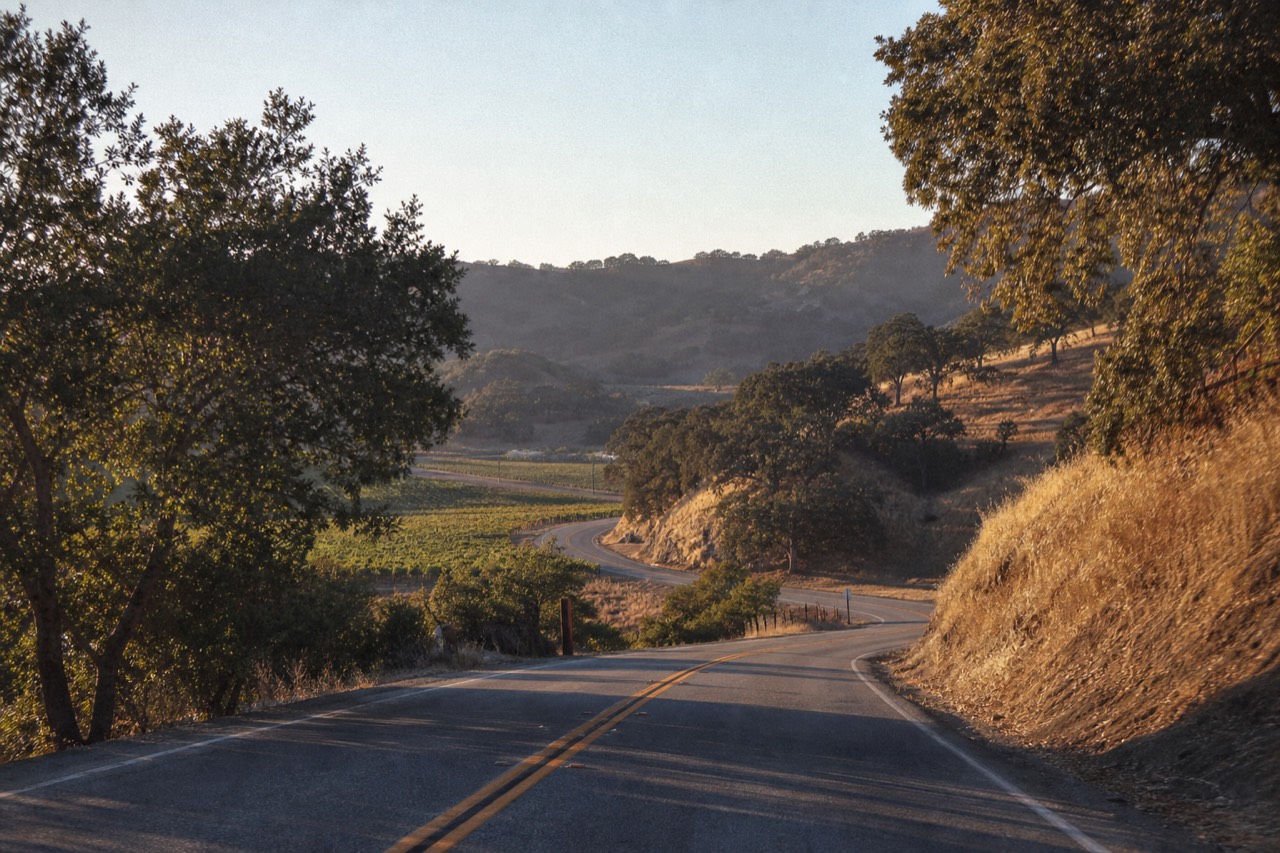
Santa Barbara wine country sits about forty minutes inland from the coast, in the Santa Ynez Valley. From the city you drive roughly 35 miles over Highway 154, the scenic San Marcos Pass, or loop up Highway 101. Los Angeles is about two hours away. Because the estates are dispersed and California's limit is 0.08 percent, most visitors take a guided tour or shuttle.
Santa Barbara city and the vineyards that carry its name are about 35 miles apart, separated by a mountain range you have to cross to get from one to the other. That single fact reshapes an entire wine trip. The tasting rooms you see downtown pour wine grown forty minutes inland, in the Santa Ynez Valley, where the estates are scattered across ranch roads rather than lined up on a walkable street. Getting there means a drive over the San Marcos Pass or a longer loop up the coast, and getting back means the same drive after an afternoon of tasting.
That is the logistics problem at the heart of a Santa Barbara wine day, and it is why so many visitors never touch a steering wheel. This guide covers every way to reach the valley: the two routes over the range, the drive times from the city and from Los Angeles, how to get around once you arrive, and the honest reason a designated driver decides most trips. Whether you are staying downtown, driving up from LA or basing yourself in Solvang, the answer to "how do I get to the wine" starts here.
How do you get to Santa Barbara wine country?
You reach Santa Barbara wine country by heading inland from the coast to the Santa Ynez Valley, about 35 miles and forty to fifty minutes from the city. The two routes are Highway 154 over the scenic San Marcos Pass or the longer coastal Highway 101 loop. From Los Angeles it is roughly two hours. Most visitors take a guided tour or shuttle rather than drive and taste.
The core geography is simple once you picture it. The vineyards are not in the city. They sit over the coastal range in a series of inland valleys, and every route there involves either climbing the mountain directly or looping around it along the coast. There is no train that runs into the wine country and no walkable link, so the choice is your own car, a rideshare, or a guided day that folds the transport into the price.
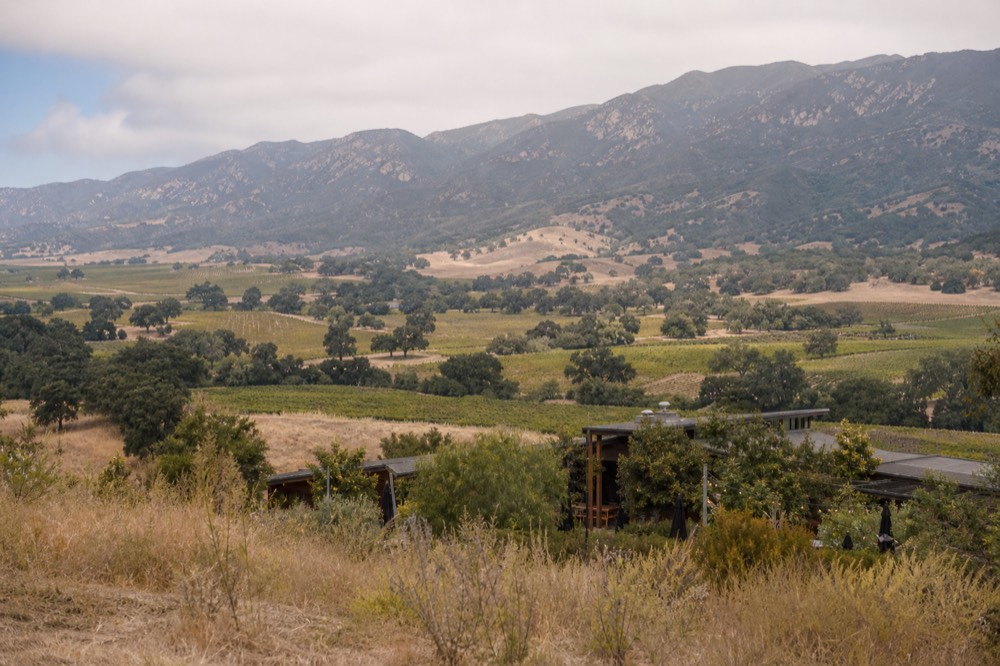
For a first-timer, the mental model that helps is this: the city is the coast, the wine is inland, and a mountain sits between them. Once you accept that, the options fall into place. You can drive yourself if someone in your party is happy to stay sober, book a shuttle or tour that handles the drive, or arrive from farther afield and pick up a day trip on the ground. The table below sets out the main ways in before the detail.
| Way in | Roughly how long | Best for |
|---|---|---|
| Self-drive over Highway 154 | 40 to 50 minutes from the city | A party with a willing sober driver |
| Shuttle from the city | About 40 to 50 minutes each way | Carless visitors who only need transport |
| Guided tour with pickup | A full day, drive included | First-timers who want it all handled |
| Day trip from Los Angeles | About two hours each way | LA visitors without a valley base |
The practical upshot is that reaching the wine is the easy part, and reaching it safely after tasting is the real question. That is why the rest of this guide spends as much time on the driver problem as on the routes themselves. If you want the quick numbers first, our post on how far the wineries really are lays out the distances at a glance.
If you would rather not touch a steering wheel at all, the door-to-door day removes the car from the plan entirely.
How far are the wineries from Santa Barbara?
The Santa Ynez Valley wineries sit about 35 miles and forty to fifty minutes inland from Santa Barbara city. Los Olivos is roughly 35 miles over Highway 154, Solvang about 34 miles, and the valley towns cluster within a short drive of each other once you are over the pass. Los Angeles is around two hours and 129 miles away.
Distance is the number people most often get wrong, usually assuming the wineries are either right outside town or a major expedition. Neither is true. The valley is close enough for a comfortable day trip but far enough that you cannot pop over for a single tasting without committing an afternoon to the round trip. Forty to fifty minutes each way is the figure to plan around from the city.
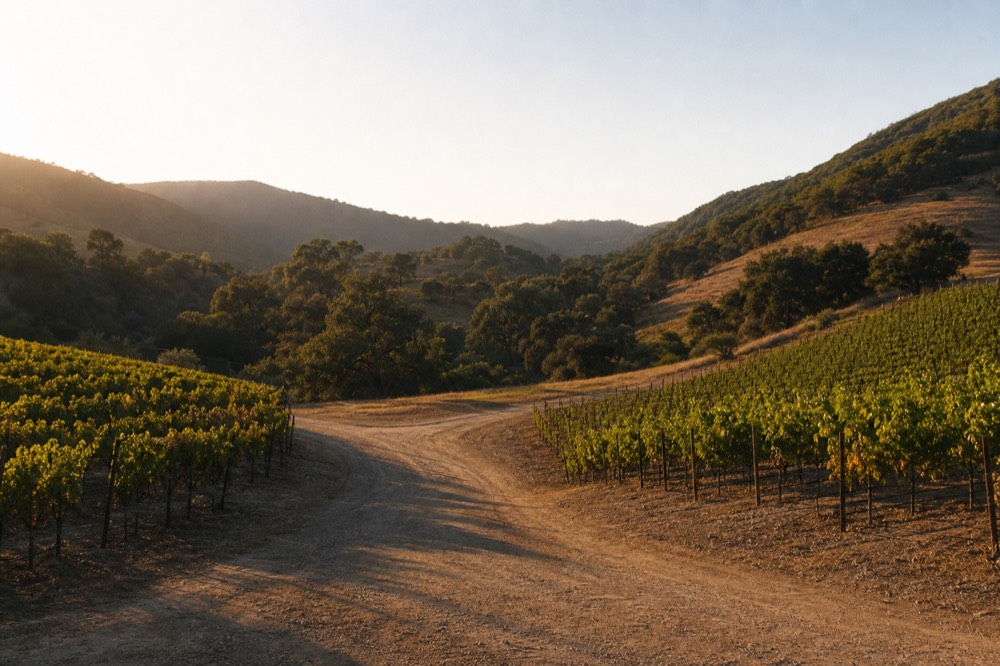
Once you are over the range, the valley towns sit close together. Solvang, Los Olivos, Santa Ynez, Ballard, Buellton and Los Alamos are all within a short drive of one another, which is why a day out can cover several without long transfers between them. The distances that matter are the ones from wherever you start, and the table below lays them out from the two most common starting points.
| From | To | Rough distance | Rough time |
|---|---|---|---|
| Santa Barbara city | Los Olivos | About 35 miles | 45 to 50 minutes |
| Santa Barbara city | Solvang | About 34 miles | 45 to 50 minutes |
| Los Angeles | Santa Ynez Valley | About 129 miles | Around 2 hours |
| Valley town | Neighboring valley town | A few miles | 10 to 20 minutes |
Those are approximate figures that shift with traffic, and the coastal stretch of Highway 101 can slow on summer weekends. Plan for the longer end of each range on a busy Saturday. If you are coming from farther south, the drive from Los Angeles is covered in its own section below, and our guide to how the valley tour days compare covers what to do once you arrive.
San Marcos Pass or Highway 101: which route should you take?
Take Highway 154 over the San Marcos Pass for the shorter, scenic mountain route, a winding two-lane climb with valley views. Take Highway 101 for the longer, flatter coastal loop, easier in the dark or in an RV. The distance is similar, so the choice is scenery and comfort against directness. Most tours use the pass in daylight.
There are two ways over the coastal range, and they suit different drivers. The San Marcos Pass, Highway 154, is the direct shot: a scenic mountain road that climbs out of the city, crosses the ridge past Lake Cachuma, and drops into the valley. Highway 101 is the coastal alternative that loops up past Gaviota before turning inland, longer in feel but flatter and wider.
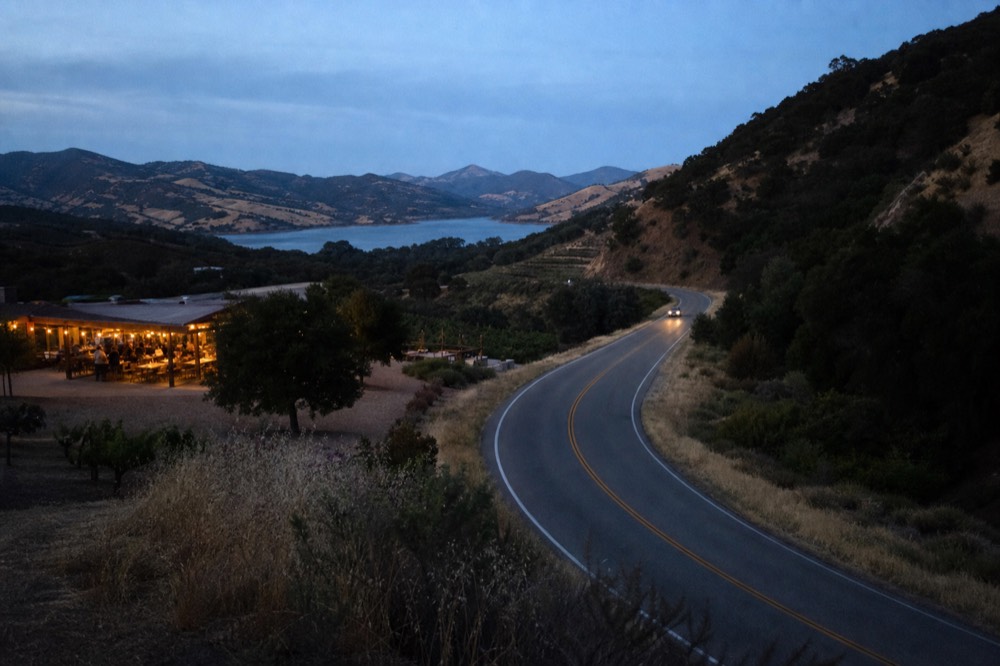
For most daytime trips, the pass wins on time and views. It is the shorter, prettier drive, and it is the route most guided tours take so passengers get the scenery. The case for Highway 101 is comfort: it is easier at night, less demanding in a large vehicle or RV, and a safer default for a nervous mountain driver. Neither is dramatically longer than the other, so the decision comes down to what kind of drive you want. The comparison below sets them side by side.
| Route | Character | Best when | Trade-off |
|---|---|---|---|
| Highway 154, San Marcos Pass | Scenic two-lane mountain climb | Daylight, dry weather, sightseeing | Winding, less forgiving after dark |
| Highway 101 coastal loop | Wider, flatter coastal freeway | Night, rain, RVs, nervous drivers | Longer in feel, less scenic |
The route question matters most if you are self-driving, because a tour or shuttle simply makes the choice for you and you enjoy the view from a passenger seat. That is one small argument for the guided option: the San Marcos Pass is a lovely drive to look at and a demanding one to drive after a few tastings. Which brings us to the decision that shapes most trips.
Should you drive yourself or take a tour to the valley?
For most tasting days, take a tour or shuttle rather than drive yourself. A tasting flight is several pours across three or four stops, California's legal limit is 0.08 percent, and the valley estates are dispersed and not walkable. A guided day keeps everyone tasting, arranges the appointment-only rooms, and handles the mountain drive at each end.
This is the honest core of the logistics, and it is not scaremongering. California sets the standard driving limit at 0.08 percent blood alcohol under Vehicle Code section 23152, confirmed against California's 0.08 percent legal limit. A single winery flight is several ounces of wine, and a valley day is three or four of them across an afternoon. The arithmetic gets uncomfortable quickly, and the drive home is over a mountain pass.
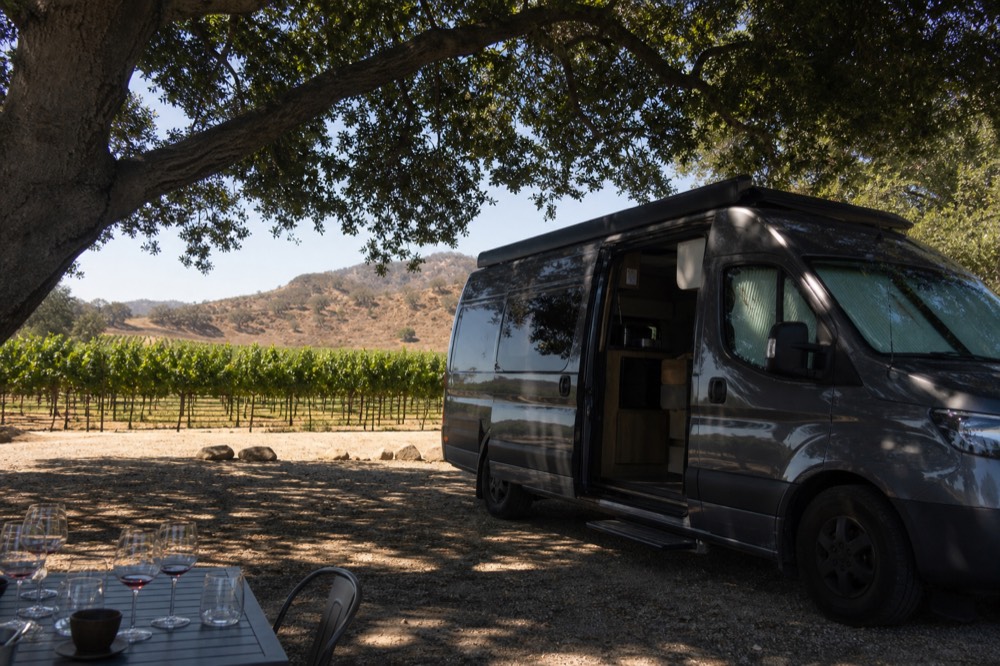
There is a geography argument stacked on top of the legal one. The estates are scattered across ranch roads, not clustered on a walkable street, so you cannot park once and walk between them the way you can inside Los Olivos or the Funk Zone. Add the pass at each end of the day and the case for handing over the wheel gets stronger. A tour also solves the reservation problem, since many rural estates now require a booking, a wrinkle we cover in full in whether you need to reserve ahead. The table below weighs the two approaches on what actually matters.
| Consideration | Self-drive | Guided tour or shuttle |
|---|---|---|
| Who stays sober | One of your party misses out | Everyone tastes |
| The San Marcos Pass drive | You drive it, twice | Handled for you |
| Appointment-only estates | You book each one yourself | Arranged in advance |
| Parking at the rooms | Your problem at every stop | Not your problem |
| Total cost, small group | Fuel, parking, fees, sober driver | One price, sometimes fees and lunch in |
The one honest case for self-driving is a couple where one person genuinely does not drink and is content to be the driver, sticking mostly to walk-in rooms in a single town. For everyone else, the driver problem is the reason these tours exist. The cheapest way to solve it is the shared shuttle from the city, which handles the drive both ways for a firm price from $139 per person, with the tastings paid at each door. You can check the dates and what it covers on the operator's live listing.
If you want a driver but not a full packaged day, that shuttle is the lean answer: it solves the one genuinely hard part of a valley trip, the drive over the range and back, and leaves the tasting choices to you. Book the date online ahead of time, since the popular weekends fill, and let the live listing show the current fare.
What are the wine tours from Santa Barbara city?
Wine tours from Santa Barbara city pick you up on the coast, drive you over the range, and spend the afternoon in the valley before returning you downtown. Options run from a bare-bones shuttle from $139 per person to a door-to-door day with lunch from $225, up to small-group picnic days and all-inclusive tours where lunch and fees are folded into one price.
If you are staying in the city without a car, a tour that departs from there is the natural solution, because it removes the drive entirely. These products differ mainly in how much they include and how much of the day goes to transport. A shuttle is transport only; a full-day tour adds lunch, seated tastings and sometimes hotel pickup.
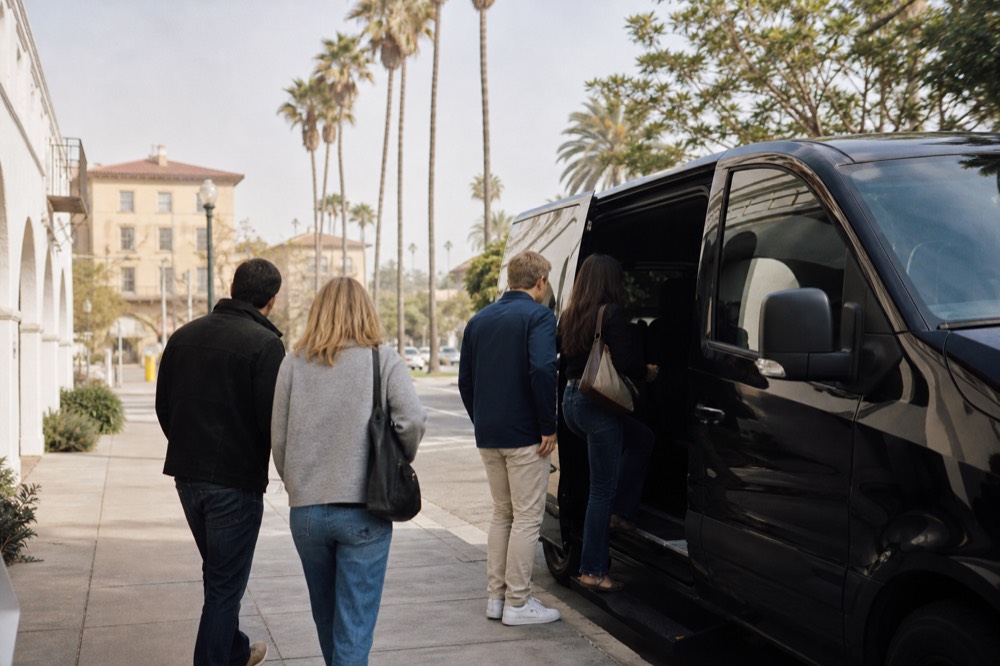
The door-to-door option is worth calling out for anyone based downtown. It collects you in the city, includes lunch, and carries a firm starting price from $225 per person. Its review history is still building, so we quote the firm price rather than a star average, but early reviews are strong and the door-to-door convenience is the draw. The table below sorts the from-city options by what they include and where they start.
| Tour | Starting price | Includes | Departs |
|---|---|---|---|
| Shared shuttle | From $139 | Transport only, tastings at each door | Santa Barbara city |
| Door-to-door with lunch | From $225 | Lunch, tastings, door pickup | Santa Barbara, door to door |
| Small-group picnic day | On the live listing | Picnic lunch, seated tastings | Valley pickup (Solvang, Santa Ynez or Buellton) |
| Firm-price small-group day | From $239 | Guide driving a longer valley route | Santa Barbara area pickup |
| All-inclusive valley day | On the live listing | Lunch and fees in one price | Santa Barbara area pickup |
The right choice depends on how much you want decided for you. A shuttle keeps costs down and hands you the pace; an all-inclusive tour removes every surprise charge. The most-reviewed day that starts in the city is the all-inclusive valley tour, rated 4.8 across more than 240 reviews, with lunch and every tasting fee folded into one price. The top-rated picnic day carries an even higher score, but it picks up inside the valley at Solvang, Santa Ynez or Buellton, so it suits readers who already have a base inland.
If you would rather a door-to-door day with lunch built in, the booking module at the end of this guide has it alongside the shuttle.
How do you get to the wine country from Los Angeles?
From Los Angeles, Santa Barbara wine country is about two hours and 129 miles up Highway 101, then inland over the range. You can drive it as a long day trip, but the same driver problem applies at the far end. A dedicated day tour from Los Angeles handles the round trip and the tasting logistics in one, which is the only from-LA product on this site.
Los Angeles is close enough to make the valley a day trip and far enough that the round trip eats a good chunk of it. Two hours up, a day of tasting, and two hours back is a long day, and the return leg after wine is exactly the stretch you do not want to drive yourself. That is the case for a guided day that starts in LA and does the whole loop for you.
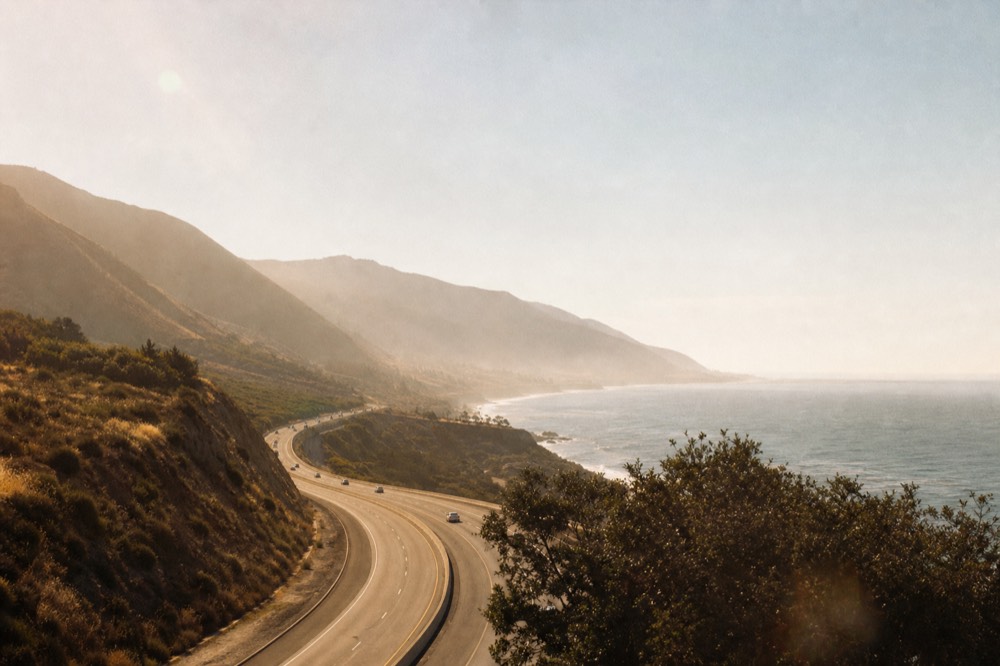
The single from-Los-Angeles product on this site is a full wine-country day trip that collects you in LA, drives up, spends the afternoon in the valley, and returns you the same day. Its review count is still modest, so we hold back a star average and note the price sits on the live listing, but as the only from-LA option it solves a real problem for southern visitors without a valley base. If you are weighing whether to base yourself closer instead, our roundup of how far the wineries really are compares the drive from several starting points.
| From Los Angeles | The reality |
|---|---|
| Distance | About 129 miles, roughly two hours each way |
| Route | Highway 101 north, then inland over the range |
| Self-drive | Doable, but the return leg is after tasting |
| Day tour from LA | Handles the round trip and the tastings, price on the live listing |
How do you get around once you are there?
Once you are in the valley, you still need a way between wineries, because the estates are dispersed across ranch roads and not walkable. The walkable towns of Los Olivos and Solvang let you park once and stroll, but reaching the rural estates means a car, a rideshare or a tour. In the city, the Funk Zone is fully walkable on its own.
Arriving is only half the logistics. The valley is not one walkable place; it is a spread of towns and estates where getting between cellar doors is its own small challenge. Inside Los Olivos or Solvang you can leave the car and walk a compact grid of rooms, but the estates that sit between the towns are scattered, and rideshare coverage out on the ranch roads is thin and unreliable.
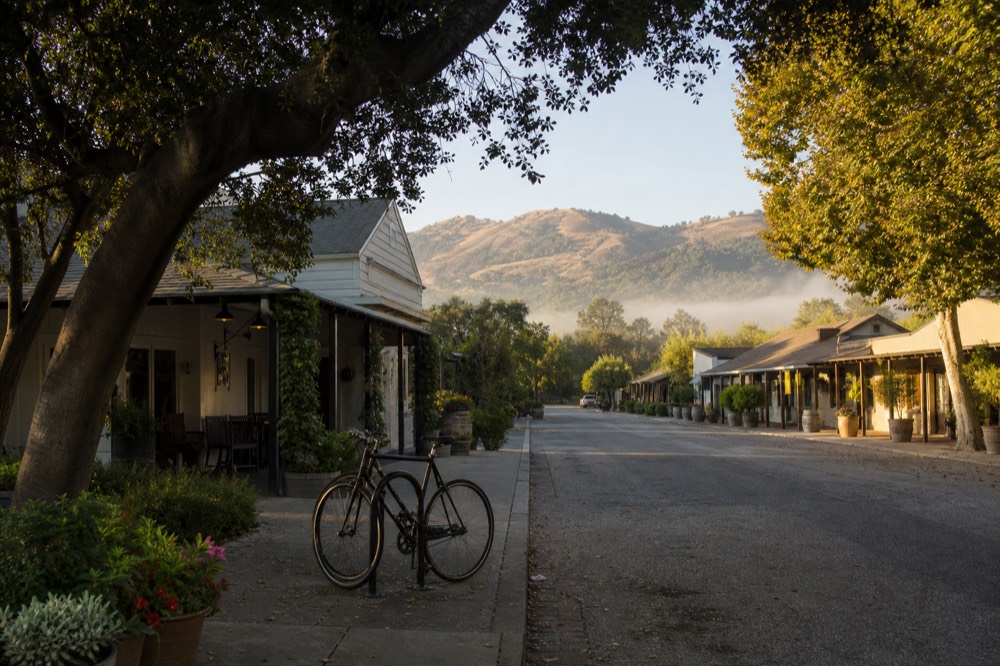
This is where the two halves of the county's wine scene diverge sharply. The Santa Barbara city trail is the opposite of the valley: our guide to the walkable downtown wine trail covers a district where you never need a car at all, because roughly twenty rooms sit within thirteen blocks of the waterfront and the Amtrak station. In the valley, the walkable towns are the exception and the dispersed estates are the rule. That contrast is the single best argument for a guided day out in the valley and a self-guided afternoon in the city. The table below sorts the getting-around question by where you are.
| Where you are | Getting around | Car needed? |
|---|---|---|
| Funk Zone, city | Walk between about twenty rooms | No |
| Los Olivos or Solvang | Park once, walk the town's rooms | Only to reach the town |
| Rural valley estates | Dispersed across ranch roads | Yes, or a tour or driver |
| Between valley towns | Short drives of 10 to 20 minutes | Yes, or a tour |
Put simply, the region rewards two different approaches. Downtown, walk. In the valley, ride. At Santa Barbara Wine Tours the rule is simple: match the transport to the ground, and the day looks after itself. For the fuller picture of what a tasting day involves once you are among the vines, see our guide to how a Santa Barbara tasting day works. The county vintners keep a regional map and winery directory that helps once you are plotting stops.
Common questions about getting to Santa Barbara wine country
How far is Santa Barbara wine country from the city?
The Santa Ynez Valley wineries sit about 35 miles and forty to fifty minutes inland from Santa Barbara city. Los Olivos is roughly 35 miles over Highway 154, Solvang about 34 miles. Once over the pass, the valley towns cluster within short drives of one another.
Should I take the San Marcos Pass or Highway 101?
Take Highway 154 over the San Marcos Pass for the shorter, scenic mountain route in daylight, which is what most tours use. Take Highway 101 for the longer, flatter coastal loop, which is easier at night, in rain, or in a large vehicle. The distances are similar.
Can you get to the wineries without a car?
Yes. A shuttle or guided tour from the city handles the drive over the range both ways, and the Funk Zone tasting rooms downtown are fully walkable from the beach and Amtrak. Only the dispersed valley estates truly require a car or a driver.
How long is the drive from Los Angeles to Santa Barbara wine country?
It is about two hours and 129 miles up Highway 101, then inland over the range. You can drive it as a day trip, but the return leg comes after tasting. A dedicated day tour from Los Angeles handles the round trip and the tastings in one.
Do you need a tour, or can you self-drive the valley?
You can self-drive if someone in your party stays sober, but most visitors take a tour. A tasting flight is several pours, California's limit is 0.08 percent, the estates are dispersed and not walkable, and the drive home is over a mountain pass. A tour keeps everyone tasting.
What is the cheapest way to reach the valley from Santa Barbara?
The cheapest guided option is the shared shuttle from the city, from $139 per person, which handles the drive both ways while you pay tastings at each door. Self-driving can cost less if you already have a car and a willing sober driver, once you factor in fuel and parking.
Book Your Way Up To The Valley
Have a travel date in mind? Check availability and pickup details now, before you arrange the rest of the trip. Nothing is charged on this site, and most listings cancel free up to 24 hours out.
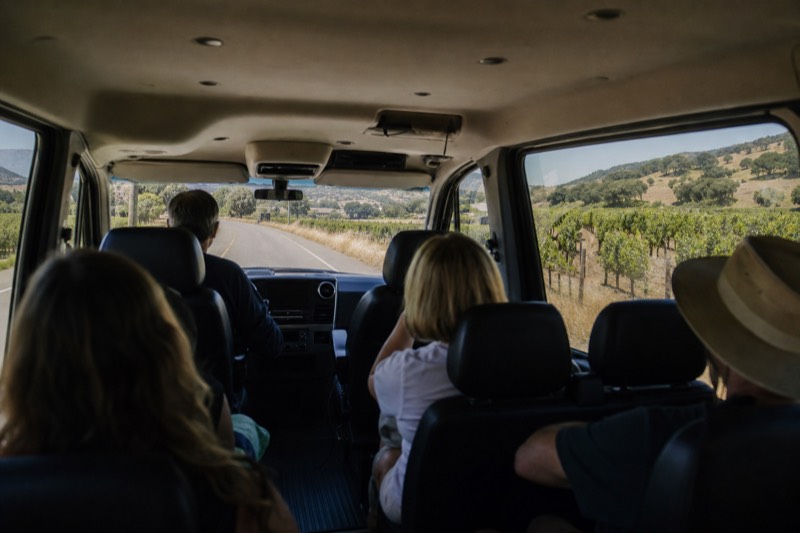
Santa Ynez Valley Wine Shuttle
from $139 · 12 reviews on the listing · About 7 hours
The cheapest guided way to solve the drive: a shared loop from the city over the pass and back, about seven hours, with tastings paid at each room and nothing packaged on top.
Transport only: lunch and tasting fees sit outside the fare, and the loop departs Santa Barbara rather than the valley towns.
Compare two alternatives inside this module
Santa Barbara Wine Country Tour with Lunch
Santa Barbara Wine Tasting Day Tour from Los Angeles
Tailor the pick: where you start and what the day should include
Two questions, honest matches from the real listings. General guidance, not live inventory: confirm dates and restrictions on the listing.
Santa Ynez Valley Wine Shuttle
The cheapest guided way to solve the drive: a shared loop from the city over the pass and back, about seven hours, with tastings paid at each room and nothing packaged on top.