What to bring to eat at a vineyard
What to pack for a Santa Barbara vineyard picnic, which wineries serve food, how the pairings work, and the corkage rules that keep a tasting room happy.
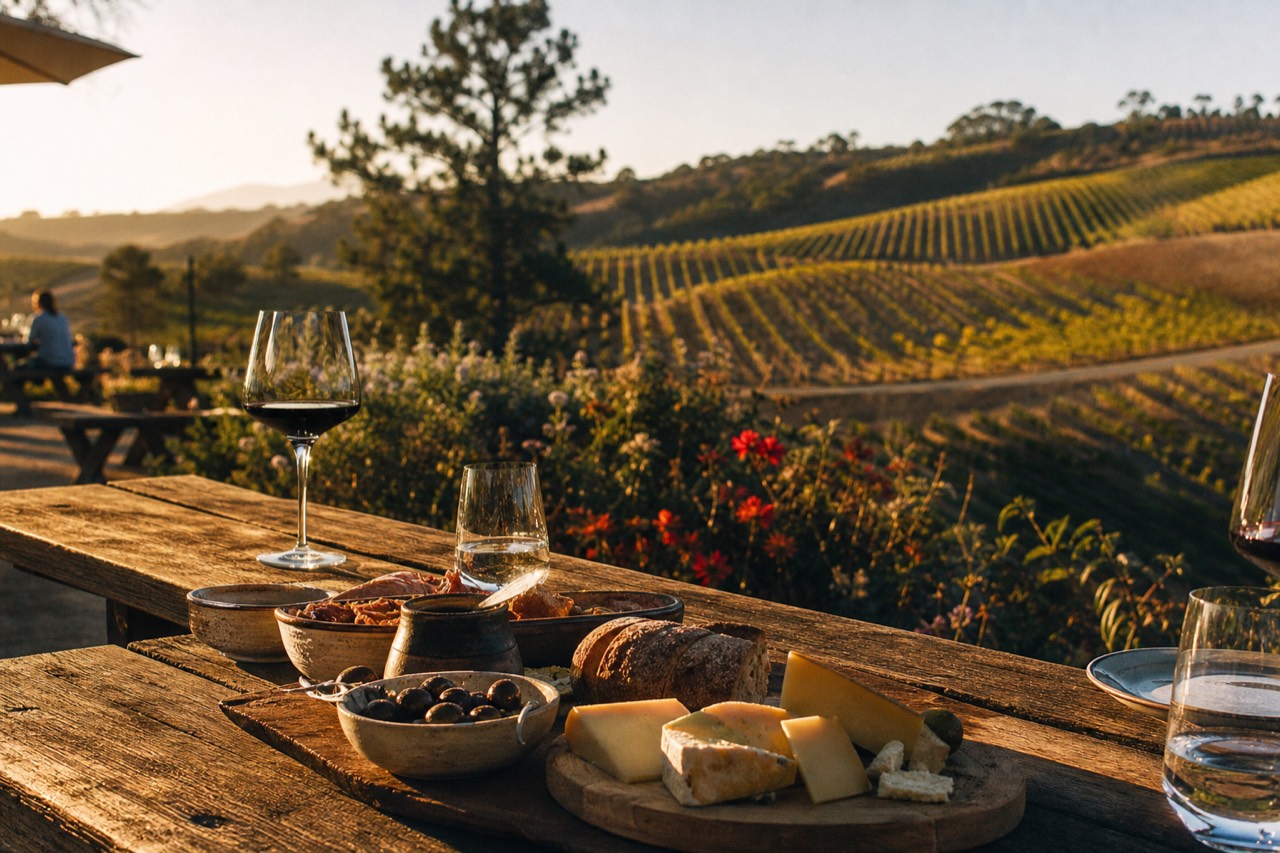
A standard tasting flight in the Santa Ynez Valley runs four to six pours per room, and most people visit three or four rooms in a day. Do that maths on an empty stomach and the afternoon goes sideways fast. Food is not an afterthought on a wine day here, it is the thing that keeps the day pleasant, and Santa Barbara wine country happens to be built for eating well among the vines.
Pack food that travels well and is not messy: hard and soft cheeses, cured meats, crackers or a baguette, olives, grapes and dark chocolate, plus water and a layer for the breeze. Check each winery's picnic policy first, buy a bottle or a tasting to earn your table, and bring nothing that competes with the wine they are pouring.
That is the short answer, and the rest of this is the long one: which wineries actually let you spread out a picnic or sell food on site, how to pair what you bring with what the valley grows, which guided days pack the lunch for you, and the quiet etiquette rules that keep a tasting room glad you came. Get the food right and a wine day stops being a slog between pours and turns into the long lunch it should be.
What to bring to eat at a vineyard
Bring food that survives a warm car and eats clean with your hands. A firm cheese and a soft one, some cured meat, crackers or a sliced baguette, olives, grapes, nuts and a bar of dark chocolate cover it. Add plenty of water, a light layer for the afternoon breeze, and a trash bag. Skip anything greasy, strong-smelling or fussy that fights the wine.
The guiding idea is simple: pack the kind of spread that flatters wine rather than overwhelms it, and that will not turn to soup in the back of a warm vehicle by mid-afternoon. Cheese and cured meat are the backbone because they pair naturally with almost everything the valley pours and they hold up outside a fridge for a few hours. Bread, crackers, olives, grapes and nuts fill in around them. Dark chocolate is the closing move, especially near a big red. Water matters more than people expect, because alternating water with wine is the single best way to still be enjoying yourself at the fourth stop.
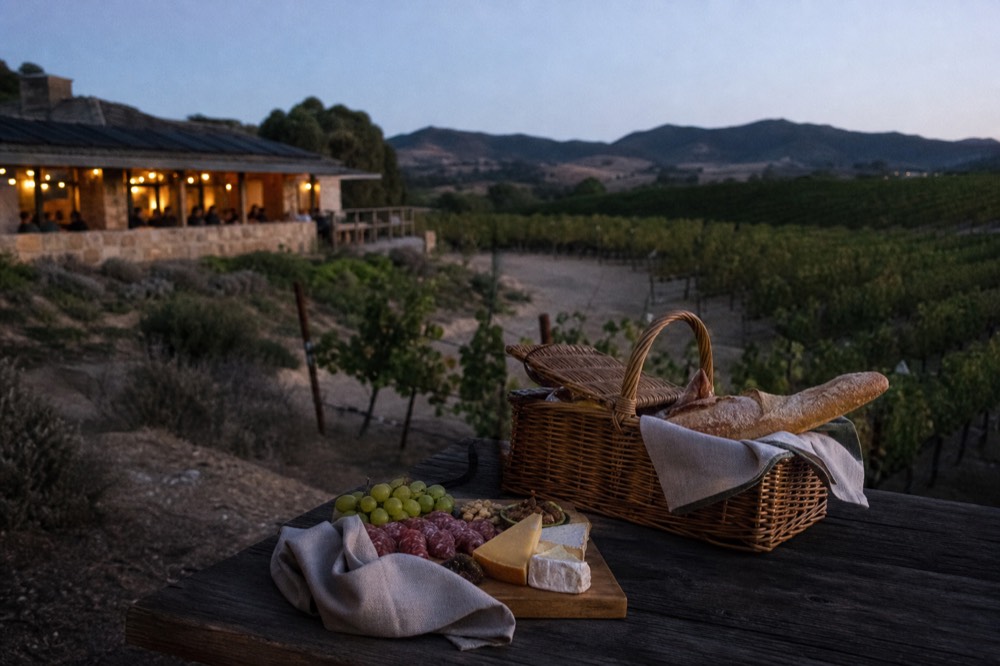
Just as useful is knowing what to leave home. Anything oily or heavily spiced coats your palate and flattens the next pour. Strong-smelling foods travel badly and annoy the table next to you. And a spread that needs plates, cutting and assembly turns a relaxed tasting into a catering job. The table below is a quick pack-or-skip list you can run down before you leave, built around what actually works on a warm valley afternoon.
| Pack this | Why it works | Skip this instead |
|---|---|---|
| Hard and soft cheeses | Pair with reds and whites, hold outside a fridge | Anything that needs to stay cold and fresh |
| Cured meats, salami | Salt and fat flatter tannic reds | Greasy fried food that coats the palate |
| Crackers, sliced baguette | Neutral base, no prep, easy to share | Strong garlic or heavy spice |
| Olives, grapes, nuts | Clean, bite-sized, no cutlery | Messy dips that need plates |
| Dark chocolate | Bridges beautifully to big reds | Sticky sweets that overpower the wine |
| Water and a light layer | Paces the day, handles the breeze | Extra wine to open (corkage applies) |
One planning note before you shop. These are allowances, not winery promises: assume you will still buy a tasting or a bottle at each room, because that is what earns you the table in the first place. If cost is on your mind, our post on what wine tasting actually costs in Santa Barbara lays out the fee ranges so the picnic budget and the tasting budget do not surprise you together.
If you would rather someone else handle the food entirely, the lunch-included days further down this guide do exactly that, and the booking module at the end compares them.
Which Santa Barbara wineries let you picnic or serve food?
Policies vary by winery, so always check first, but many valley estates welcome a picnic when you buy a bottle or a tasting, and a growing number keep a kitchen, a food truck or a cheese board on hand. The walkable towns of Los Olivos and Solvang and the city's Funk Zone put restaurants and delis a few steps from the tasting rooms.
There is no single countywide rule, and that is the honest starting point. Some estates set out picnic tables and encourage you to linger over food you brought, usually on the condition that you are drinking their wine and not wine from home. Others have gone the other way and now sell food on site, from a simple cheese-and-charcuterie board to a full kitchen or a weekend food truck, which spares you the cooler entirely. And a few keep things pour-only, so a picnic is not on the cards and you eat in town before or after.
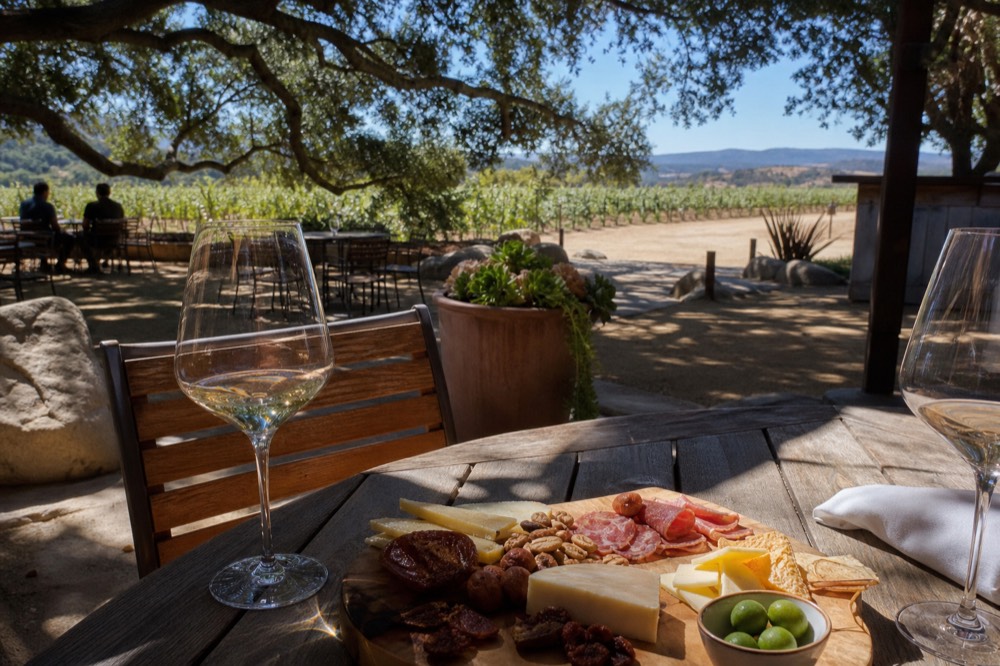
The walkable towns are the safety net that makes all of this easy. In Los Olivos and Solvang you can taste, then walk to a deli, a bakery or a restaurant without moving the car, and Solvang's bakeries alone are worth a detour for picnic supplies. The city Funk Zone works the same way, with tasting rooms and food a short stroll apart near the waterfront. The table below sorts the region by food setup so you can plan a day that never leaves you hungry between pours. For where each estate and town actually sits, our valley wineries guide maps them, and the walk through Los Olivos covers its cluster of rooms and kitchens in detail.
| Setting | Food situation | How to plan for it |
|---|---|---|
| Rural valley estates | Picnics often welcome with a purchase; some have kitchens or food trucks | Call ahead, bring a spread as backup |
| Los Olivos village | Tasting rooms steps from delis and restaurants | Taste, then walk to lunch, no car move |
| Solvang | Bakeries and restaurants beside the rooms | Grab picnic supplies in town first |
| Funk Zone (city) | Rooms and food a short stroll apart near the water | Easy to graze between tastings |
| Guided tour with lunch | Food packed or arranged for you | Book the day, skip the cooler entirely |
Because the picnic-friendliest estates tend to be the dispersed rural ones, the food question and the driving question end up tangled together. The room with the best picnic lawn is often the one farthest down a ranch road, which is exactly why the guided days that pack a lunch have such a following. The top-rated one carries a picnic along and handles the fees and the driving, so the eating and the logistics are solved in a single booking. If that sounds like your kind of day, you can check the dates and what it covers on the live listing.
What food pairs best with Santa Ynez wines?
Match your picnic to the grape the area grows. Cool-climate Sta. Rita Hills Pinot Noir loves salmon, duck and mushrooms; its Chardonnay wants soft cheese and roast chicken. Ballard Canyon Syrah takes grilled meats and hard cheese. Warm Happy Canyon Cabernet and Bordeaux reds pair with steak and aged cheese, while Sauvignon Blanc suits goat cheese and greens.
The valley's varietals are not random, they follow the same cool-to-warm geography that shapes everything else here, and pairing gets easier once you know which grape belongs to which corner. The fog-cooled western end grows Burgundian Pinot Noir and Chardonnay, which are lighter, brighter wines that pair with lighter foods. The warmer inland canyons grow bigger, structured reds that want richer, fattier, saltier food to stand up to them. Bring a spread that spans both, and you can taste your way across the county without a single mismatch.
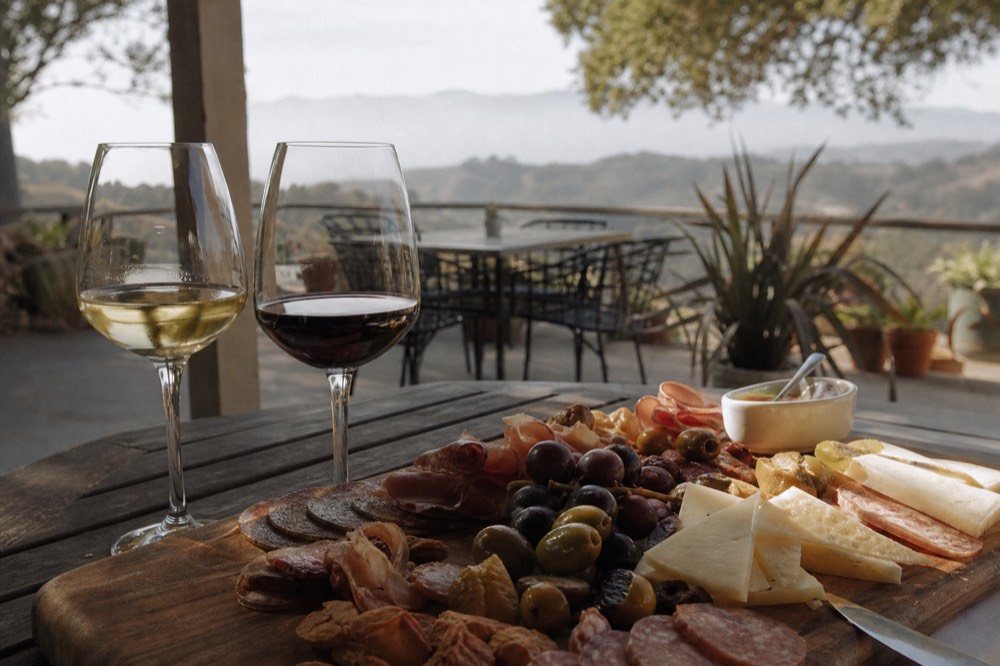
Santa Barbara County has a reputation for food-friendly wines specifically because of that maritime cooling, which keeps acidity high and alcohol in check across the county's seven recognized appellations. It is a big part of why top European sommeliers have singled the region out: the wines go with food rather than fighting it, and the county's more than 250 wineries give you a wide spread of styles to pair against. The table below pairs the county's signature grapes with picnic foods that flatter them, organized by the growing area you are most likely to be standing in.
| Wine | Where it grows | Pairs with | Bring for the picnic |
|---|---|---|---|
| Pinot Noir | Sta. Rita Hills (cool west) | Salmon, duck, mushrooms | Soft cheese, cured duck, olives |
| Chardonnay | Sta. Rita Hills, Santa Maria | Roast chicken, creamy cheese | Brie, baguette, apples |
| Syrah and Rhone reds | Ballard Canyon (mid-valley) | Grilled meats, hard cheese | Salami, aged cheddar, nuts |
| Cabernet, Bordeaux reds | Happy Canyon (warm east) | Steak, aged and blue cheese | Dry-cured meat, dark chocolate |
| Sauvignon Blanc | Happy Canyon, Santa Ynez | Goat cheese, salads, seafood | Chevre, crackers, grapes |
If you want to go deeper on why this valley grows what it grows and which grape defines it, our post on what Santa Ynez is really known for gets into the varietal story behind the pairings. For most picnics, though, a board of two cheeses, a cured meat, bread and chocolate is genuinely all you need to cover every wine the valley will pour you.
The all-inclusive valley day is the low-effort route to all of this, with lunch and the tasting fees folded into one price so you can taste across the whole varietal spread without opening your wallet at each door.
Do the guided wine tours include lunch?
Several do, which is the simplest way to eat well on a wine day. The top-rated Santa Ynez day packs a picnic lunch and handles the tasting fees. The all-inclusive valley day folds lunch and fees into a single price with a guide driving. The Solvang small-group day builds lunch and tastings in too. Each removes both the cooler and the driving in one booking.
For anyone who would rather not shop, pack and haul a picnic, the guided days that include food are the obvious move, because they solve the eating and the logistics together. Instead of assembling a spread and hoping the winery you picked allows it, you book a day where the lunch is already arranged and the tasting fees are either included or organized in advance. That turns a day of small decisions into a single one.
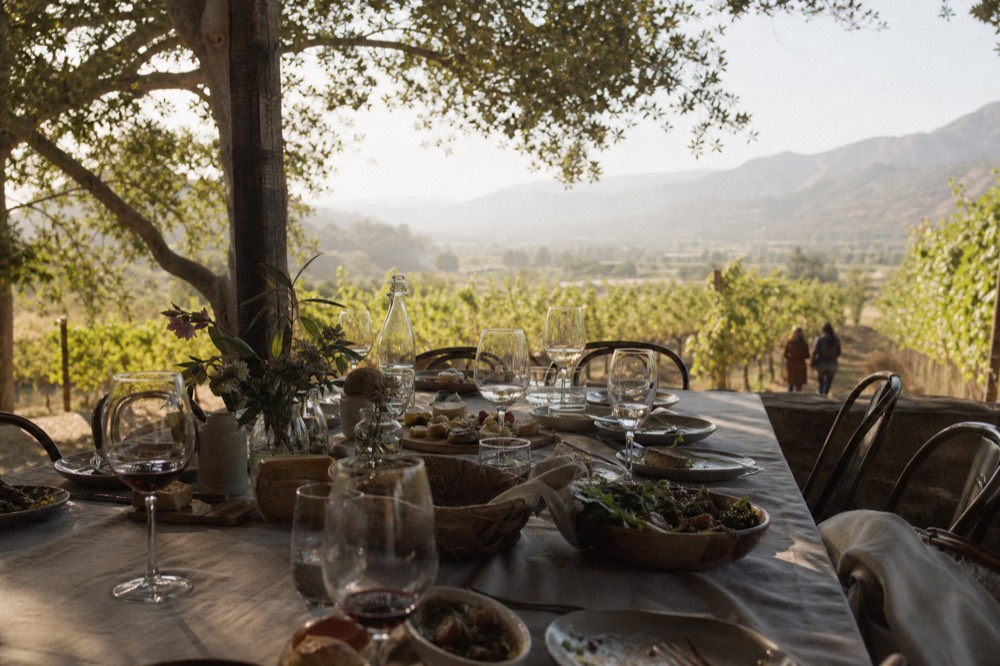
The table below lines up the valley days that include a meal, what each one folds in, and how it is rated, so you can pick by whether you want a packed picnic or a sit-down lunch. Prices and figures come straight from each live listing.
| Tour | What is included | Based | Rating and price |
|---|---|---|---|
| Santa Ynez, 3 wineries and picnic | Picnic lunch, seated tastings, driving | Valley pickup (Solvang, Santa Ynez or Buellton) | 4.9 across over 110 reviews, price on the listing |
| All-inclusive Santa Ynez day | Lunch and tasting fees in one price | Santa Barbara area pickup | 4.8 across over 230 reviews, price on the listing |
| Solvang valley small-group | Lunch and tastings | The valley itself | 4.8 across 149 reviews, price on the listing |
| Solvang valley day with lunch | Lunch and tastings | Solvang | Newer listing, from $230 per person |
The picnic day is the one to start with if the idea of eating among the vines is the whole appeal, since the lunch is literally packed to be eaten outdoors at the wineries rather than at a restaurant table.
What are the picnic and corkage rules worth knowing?
A few unwritten rules keep tasting rooms happy. Buy a tasting or a bottle to earn your picnic table. Never bring outside wine to open, since corkage rules and often bans it. Ask before you spread out food. Pack out your trash. Reserve ahead for groups or seated tastings. And remember the tasting fee is often waived when you buy a bottle.
Wineries that welcome picnics are extending a courtesy, and it holds up as long as visitors treat it as one. The core bargain is that you are there to drink their wine, so a picnic sits alongside a purchase, not instead of one. Bringing your own bottle to open is the fastest way to sour the welcome, because it undercuts the business and usually runs into a corkage policy anyway. When in doubt, a quick question at the counter settles what is allowed, and staff would far rather answer it than find a spread on a table meant for buyers.
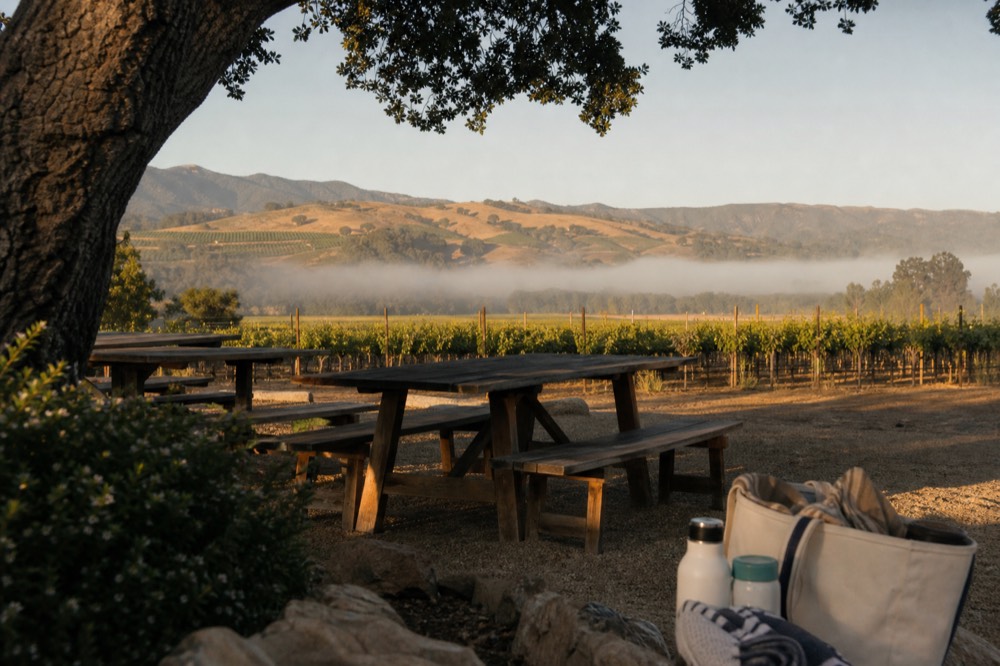
Two practical notes make the day smoother and cheaper. First, reservations: walk-ins are still normal in the walkable towns, but rural estates and seated tastings increasingly want a booking, especially for groups, so call ahead where you can. Second, the fee: standard flights tend to run around $20 to $35, and that fee is often waived when you buy a bottle, so a picnic plus a bottle can cost less than it looks. Our full guide to how tasting works covers reservations, tipping and fees in depth. And because the best picnic estates are the scattered rural ones, the driving question sits right underneath all of this. California's driving limit is 0.08 percent under the state vehicle code, and a flight adds up over several rooms, which is the honest case for letting someone else drive. The tours we point you to at Santa Barbara Wine Tours get the food and the driving both sorted, so the afternoon stays yours.
Whether you pack your own board or book a day with lunch built in, the valley makes eating among the vines easy. If you would rather not think about any of it, the booking module at the end of this guide lays the lunch-included days side by side, all with a meal and the driving handled.
Common questions about eating at Santa Barbara wineries
What to bring to eat at a vineyard?
Bring food that travels well and eats clean: hard and soft cheeses, cured meats, crackers or a baguette, olives, grapes, nuts and dark chocolate, plus water and a light layer for the breeze. Check the winery's picnic policy first, plan to buy a tasting or a bottle, and skip greasy, strong-smelling or fussy foods that fight the wine.
Which Santa Barbara wineries let you picnic?
Policies vary by winery, so check first, but many rural valley estates welcome a picnic when you buy a bottle or a tasting, and some now sell food or run a weekend food truck. The walkable towns of Los Olivos and Solvang and the city Funk Zone also put delis and restaurants a few steps from the tasting rooms.
Can I bring my own wine to a Santa Barbara winery?
Generally no. Wineries want you drinking their wine, and bringing an outside bottle to open runs into corkage policies that often prohibit it entirely. Buy a tasting or a bottle on site instead, which is also what earns you a picnic table in most rooms that allow food.
Do the guided wine tours include lunch?
Several do. The top-rated Santa Ynez day packs a picnic lunch, the all-inclusive valley day folds lunch and tasting fees into one price, and the Solvang small-group day builds lunch and tastings in too. Each handles the meal and the driving together, so you skip both the cooler and the passes.
What food pairs best with Santa Ynez wines?
Match the food to the area's grape. Cool-climate Pinot Noir suits salmon, duck and mushrooms; Chardonnay wants soft cheese and roast chicken; Ballard Canyon Syrah takes grilled meats and hard cheese; warm Happy Canyon Cabernet pairs with steak and aged cheese; and Sauvignon Blanc suits goat cheese and greens. A board of two cheeses, cured meat, bread and chocolate covers nearly all of it.
Book Your Lunch-Included Wine Day
Have a travel date in mind? Check availability on the lunch-included days now, before arranging the rest of the trip. Nothing is charged on this site, and most listings cancel free up to 24 hours out.
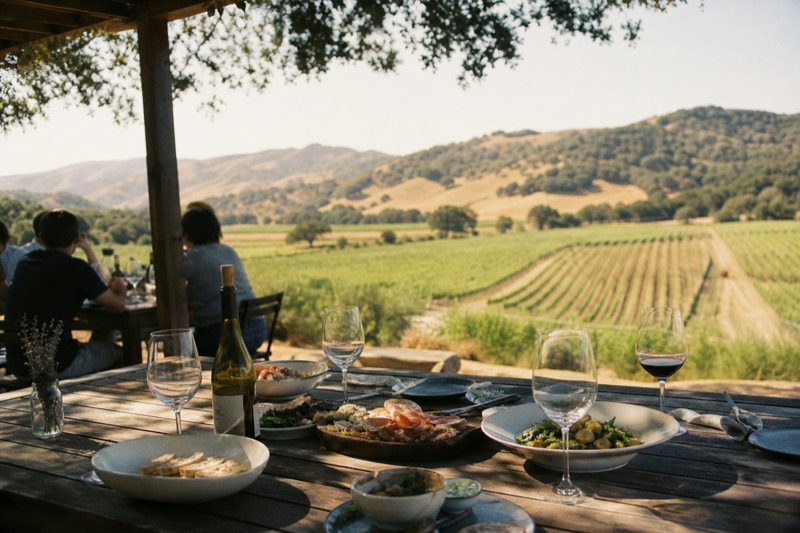
Santa Ynez Valley: 3-Winery Tour with Picnic Lunch
★ 4.9 (115 reviews) · About 5 hours
The top-rated day in the lineup packs the picnic lunch and handles the tasting fees and driving across three wineries, so the eating is arranged with the booking.
Departs inside the valley at Solvang, Santa Ynez or Buellton rather than the city, so pair it with a from-city day if you are staying on the coast without a car.
Published schedule only: final availability and price are confirmed on the listing.
Compare two alternatives inside this module
All-Inclusive Santa Ynez Valley Wine Tour
Santa Barbara Wine Country Tour with Lunch
Tailor the pick: where you start and how you want the eating handled
Two questions, honest matches from the real listings. General guidance, not live inventory: confirm dates and restrictions on the listing.
Santa Ynez Valley: 3-Winery Tour with Picnic Lunch
The top-rated day in the lineup packs the picnic lunch and handles the tasting fees and driving across three wineries, so the eating is arranged with the booking.